Category reviewmedia buyer software
Affiliate tracking software
Is it real, or a phrase someone coined to sell a subscription? It is real. The catch is that it names two different products, and buying the wrong one is the regret.
By Dana Rourke, Lead Reviewer. Reviewed by Campaign Buyer Editorial. Published 13 September 2026.
At a glance
- Is it real?
- Yes
- an established category with years of vendors behind it
- Which one you need
- Two products
- a program platform or a media buyer's tracker
- Where regret comes from
- Wrong camp
- that, or buying before the traffic is there
The short answer
Affiliate tracking software is real, but the phrase covers two jobs. If other people promote your product and you pay them commissions, you want an affiliate management platform such as Everflow or Tapfiliate, which this site does not review. If you are a media buyer tracking your own clicks and conversions across paid campaigns, you want a standalone tracker, and that is what we cover. For that reader: start free on BeMob to learn, move to RedTrack at about $118 a month once you spend real money, and only reach for a pricier name like Voluum or a self-hosted tracker when the traffic justifies it. You regret it in two cases: you bought the wrong camp, or you bought before the traffic was there.
You typed "affiliate tracking software" into a search box because a thread, an ad or another marketer mentioned it, and before you hand over a card you want two things settled. Is this a real category of software, or a label stuck on a subscription to make it sound necessary? And if it is real, is it money well spent, or the kind of purchase you cancel in three months feeling silly?
The honest answer to the first question is yes, it is real, with one complication that trips up half the people searching for it. The phrase points at two separate products built for two separate people. One runs an affiliate program and pays partners. One tracks the clicks and conversions on campaigns you buy yourself. Sorting out which one you are is the whole review, because almost every regret in this category starts with buying the wrong one.
What follows is the distinction in plain terms, which product this site reviews and why, what buyers actually report, and the specific tools a paid-traffic setup is usually compared with. Every price here comes from our catalog, checked against the vendor's own pricing page.
Pros and cons of buying one
What works
- It is a real, established category: standalone trackers have existed for well over a decade
- Once you buy ads, a tracker records conversions server-side and catches sales the platform pixel quietly drops after iOS changes and ad blockers
- It gives you one honest number for cost per acquisition across every source, so you stop taking platform-reported ROAS on trust
- You can test the idea for nothing: a genuine free tier tracks a first campaign before any card is charged
What to watch
- The name is ambiguous, so a lot of buyers land on the wrong type of product: a program platform when they wanted a tracker, or the reverse
- For a beginner with no paid traffic it is bought too early, then cancelled within a couple of months when earnings do not cover it
- Cloud trackers meter events and keep billing past the cap, so a heavy month on pop or push traffic can cost more in overage than the plan itself
- The feature you signed up for is often one tier above the entry plan, so the real price is the plan that carries it
Two products wear the same name
Start here, because it saves the most money. "Affiliate tracking software" means one of two things, and they are not substitutes.
An affiliate management platform is for a business that runs its own program. It tracks which partner referred each customer, calculates commissions, handles signups and payouts, and catches fraud. Everflow, Tapfiliate, Refersion, PartnerStack and Impact sit here. If you sell a product and want other people to promote it for a cut, this is your camp, and it is priced for a business: one buyer in a forum thread weighed Everflow at eight hundred dollars a month and wondered aloud if it was overkill for what they needed.
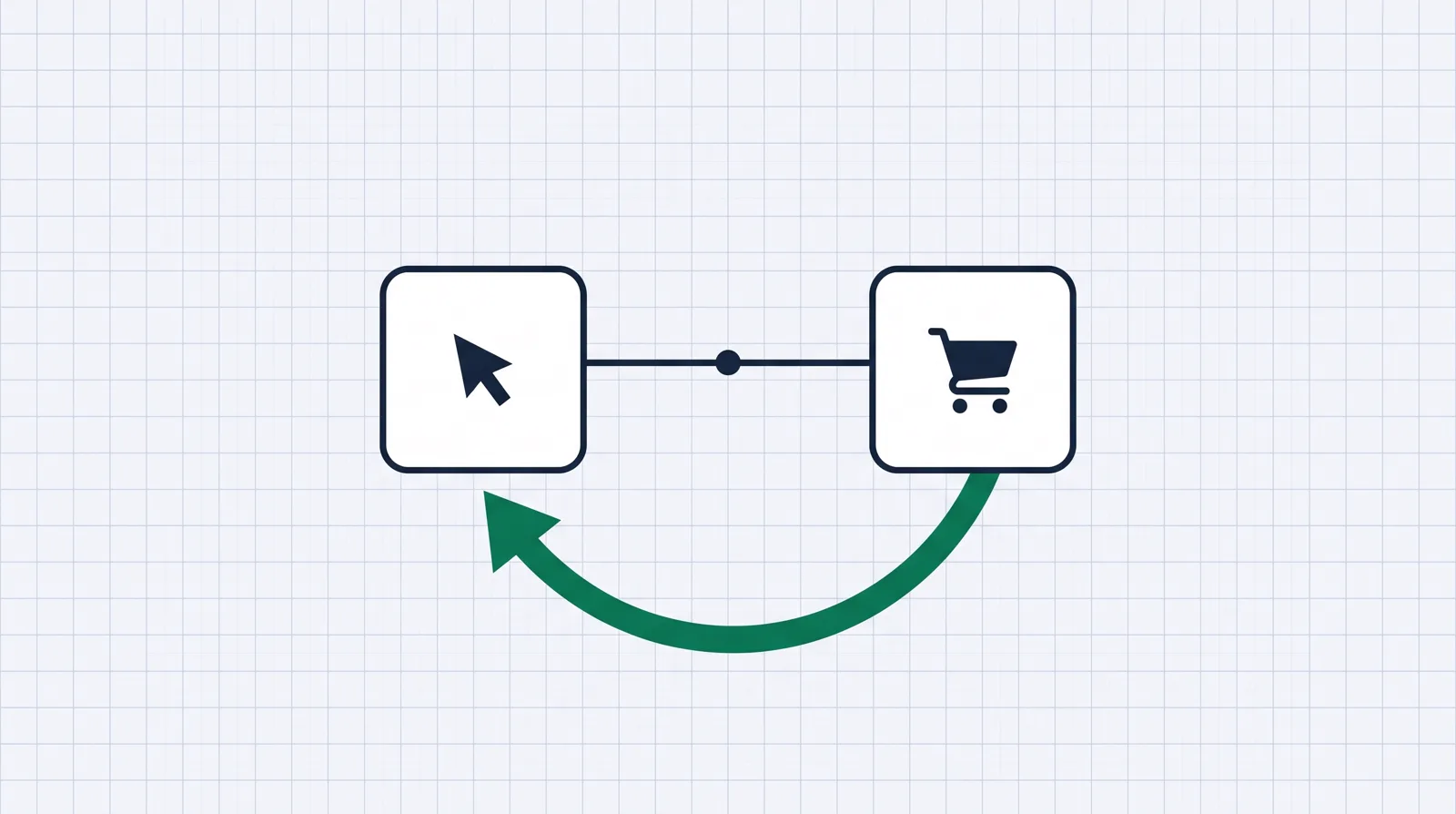
A standalone campaign tracker is for a media buyer. It records the clicks and conversions on the ads you run yourself, across any offer on any domain and any traffic source, usually server to server so it survives the pixel loss that iOS changes and ad blockers cause. Voluum, RedTrack, Binom and BeMob sit here. If you buy media and send it to offers, this is your camp.
This site reviews the second camp, because a paid-traffic buyer is who we write for. If you are the first kind of buyer, a management platform, the short version is that Everflow and the enterprise networks are the heavyweight choice, the lighter referral tools suit small programs, and you should price by partner count and payout handling rather than by the feature list. We do not rank those here, so treat this page as the tracker review it is.
When a tracker is worth it, and when it is not
Assuming you are the media buyer, the tool is real and it earns its place, but only after a clear line. If you promote one to a handful of offers, get mostly organic traffic, and spend nothing on ads, you do not need a tracker yet. UTM parameters, the network dashboard and a spreadsheet cover you, and buying software in that state is the classic early mistake: it tracks nothing you could not read for free.
The line to cross is money on ads. When you buy paid traffic, run many offers at once, or earn recurring commissions that fire days after the click, manual tracking starts losing conversions you paid for. A tracker records the click with an id, carries it through to the sale, and reports one cost per acquisition across every source, instead of each ad platform marking its own homework. That is the point at which the subscription starts paying for itself.
What buyers keep saying
The two camps get named out loud. In forum threads the distinction is not theoretical. Buyers tell each other that the management platforms are worth their money for running a program, and that if you are doing media buying you should use Voluum or RedTrack instead. The people who skip that sentence are the ones who buy the wrong product and return it.
Most regret comes from buying too early. Few complaints are about the trackers themselves. Buyers describe paying for a known name for a month and cancelling because the earnings did not cover it, and others say outright that they know the successful marketers use the expensive tool but they are not at that stage, so they cap spend until the revenue arrives. That is the right instinct.
For a media buyer, the choice is settled and conditional. Among people actually spending on ads there is no single winner, only a match to the traffic. Voluum for Meta and native, a cheaper all-rounder for most else and ecommerce, a self-hosted flat-fee tracker once you push high-volume pop and push. Buying the best-known name regardless of what you run is the mistake that fills the regret threads.
The receipts
We read the threads before we wrote this. These are the posts behind the summary above.
“Everflow is for affiliate management and it's worth it's money. If you are doing media buying i would recommend to use ether voluum or redtrack as both of them are more suitable towards media buyers”
“It's probably the right solution, but not sure about the $800 per month. Its not overly expensive but I wonder if it's overkill for what we need specifically.”
“I used voluum for a month, but wasn't earning enough for me to keep paying.”
“I know that the most successful affiliate marketers use Voluum but I am not at this stage yet. I think the most I want to pay now is $50 a month.”
“if you use Meta go for Voluum; for everything else RedTrack is perfect”
One voice for, one voice against
On the "here is how to pick" side, a buyer in a lead-generation thread on r/Affiliatemarketing drew the line this page is built on: "Everflow is for affiliate management and it's worth it's money. If you are doing media buying i would recommend to use ether voluum or redtrack as both of them are more suitable towards media buyers." The spelling is theirs, and the logic holds.
On the "mind the timing" side, a buyer in a separate tracker thread on the same forum said they dropped Voluum after a month because their earnings did not cover the bill. The complaint is about timing: they bought before the traffic was there to justify it.
What the media buyer's trackers cost
The standalone trackers below are sorted by catalog rank, each with its entry price from the vendor's published plans.
| Tracker | Starts at | Best for |
|---|---|---|
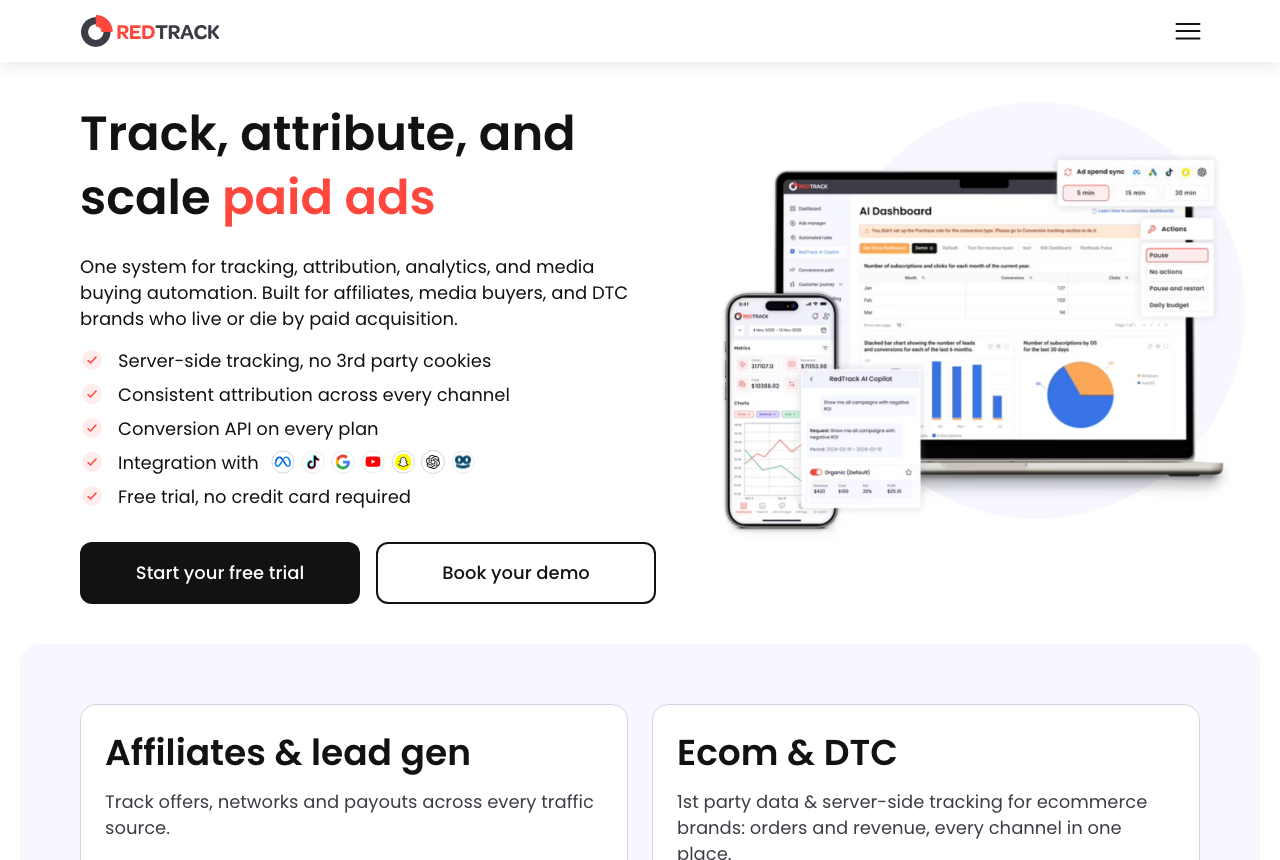
| RedTrack | $118/mo | paid-social and ecommerce buyers who need server-side conversions |
| Triple Whale | Free tier | Shopify DTC brands wanting attribution and AI insights in one app |
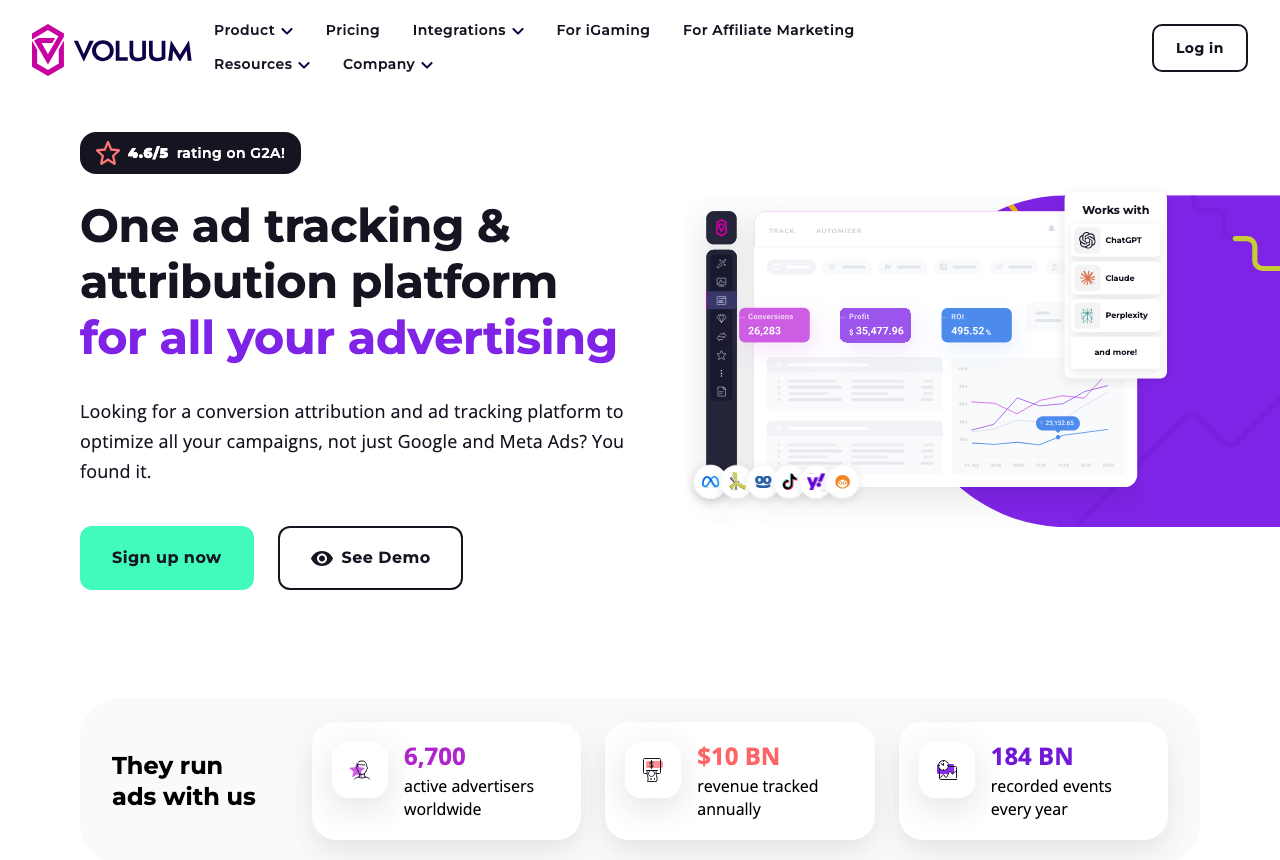
| Voluum | $119/mo | affiliate and native buyers who want a proven, low-friction cloud tracker |
| Northbeam | $1500/mo | high-spend DTC brands with a data owner to run the models |
| Binom | $104/mo | high-volume pop, push and native buyers who will self-host |
| Polar Analytics | See vendor | DTC teams that want their own custom BI dashboards |
| ClickFlare | $69/mo | buyers who want Voluum-class tracking with cost sync and CAPI at a lower flat price |
| AdsBridge | $29/mo | affiliates and media buyers who want click tracking and hosted landing pages in one low-cost cloud tool |
| BeMob | Free tier | beginners and low-spend buyers who want to learn tracking free |
| CPV Lab Pro | $57/mo | paid-traffic advertisers and CPA affiliates who want to own their data and skip per-event pricing |
| FunnelFlux | $99/mo | buyers running multi-step funnels with lander and offer rotations |
| Keitaro | $40/mo | high-volume affiliate and paid-traffic buyers who will self-host and skip event-based pricing |
| AnyTrack | Free tier, paid from $100/mo | ecommerce and affiliate marketers who need conversions fed back to the ad networks without a developer |
| Rockerbox | See vendor | mid-market and enterprise brands measuring offline and digital together |
This table covers the tracker camp only. Affiliate management platforms price on a different axis, by number of partners or a share of revenue, which is why an Everflow-class tool runs into the hundreds a month. If you are running a program, do not benchmark it against these numbers. For a media buyer, the right spend is lower than most people expect.
How to spend the least for the job. Validating a first offer: start free on BeMob. Scaling paid social or ecommerce: RedTrack does the core job from $118 that the pricier names charge more for, with server-side conversions included. High-event pop or push: a flat fee wins, and Binom is $104 a month with no traffic-volume cap, at the cost of running your own server.
One cost is not in the table. Cloud trackers bill by the event, and an event is any visit, click, conversion or impression. High-frequency pop and push traffic burns an allowance far faster than the same spend on paid social, and the overage lands on your next invoice rather than stopping the tracking. Read the overage rate before the sticker price.
Changelog
- 13 September 2026. First published. Separated the two products the phrase names, set out which one a media buyer needs, verified tracker pricing against each vendor, and named the two regrets buyers report.
Frequently asked questions
What does "affiliate tracking software" actually mean?
Is it a scam, or is it real?
Which one do I need?
Will I regret buying one?
What is the cheapest way for a media buyer to start?
Do I need one if I just post affiliate links organically?
What we read
Other sources
5 discussions and reviews read for this page. Quotes are excerpts; open a link to read the original in context.
- [] Best affiliate tracking software for lead generation publishers?, r/Affiliatemarketing
- [] What tracker is everyone using?, r/Affiliatemarketing
- [] Which tracking software do you use and would recommend?, r/Affiliatemarketing
- [] Which tracking software do you use and would recommend?, r/Affiliatemarketing
- [] AMA: 15 years in affiliate marketing and media buying, r/Affiliatemarketing
The value pick for a media buyer
If you are in the tracker camp and spending on ads, RedTrack covers the core job of the pricier names on its entry plan, server-side conversions included. I would validate a first offer on a free tracker, then move up once the ad bill is real.

Written by
Dana Rourke
Lead Reviewer
Dana Rourke is the lead reviewer at Campaign Buyer. She covers trackers and attribution on this site: she reads what long-term users report about each tool, checks its documentation and pricing, and verifies prices with the vendor before writing the verdict. Keeping the rankings honest mostly means writing down what the top pick gets wrong, so she does that first.
Last checked 2026-09-13
Comments
No comments yet. Questions and your own experience are welcome.
Thank you. Your comment will appear once it has been reviewed.