Funnel platform vs page toolmedia buyer software
ElasticFunnels vs Landingi
By Dana Rourke, Lead reviewer. Reviewed by Campaign Buyer Editorial. Updated 29 September 2026.
Quick answer
Pick ElasticFunnels if you run paid traffic to your own offers and want the page, a split test that does not reset the ad platform's learning, the checkout, the CRM and the attribution on one customer record; pick Landingi if the landing page itself is the job, PPC and lead capture on a tight budget, and your checkout already lives somewhere else.
Side by side
| ElasticFunnels | Landingi | |
|---|---|---|
| What it is | Paid-traffic funnel platform | Hosted landing-page builder |
| Best for | Click-to-sale on one record | PPC and lead-gen pages on a budget |
| Landing pages | AI builder and URL cloner | 400+ templates, Lunar AI |
| Split testing | Same-URL, server-side | A/B/X, on the entry plan |
| Take a payment | Checkout, bumps, upsells | None, checkout lives elsewhere |
| Subscriptions | Billing, dunning, retention | No native billing |
| Payment routing | Multi-MID rules | None |
| Attribution | Click, order, rebill, refund | Page goals and integrations |
| CRM operations | CRM, automations, call center | None |
| Visitor caps | None, priced by traffic tier | Monthly cap on every plan |
| Support | Priority on higher tiers | Weekday chat, Polish hours |
| Entry price | $97/mo, every feature | $29/mo |
If your shortlist is down to ElasticFunnels and Landingi, the deciding question is not which one builds a nicer landing page. Both can put a campaign page live without a developer. The real split is what happens after the click lands, and it is wide enough to settle most of this before you compare a single feature.
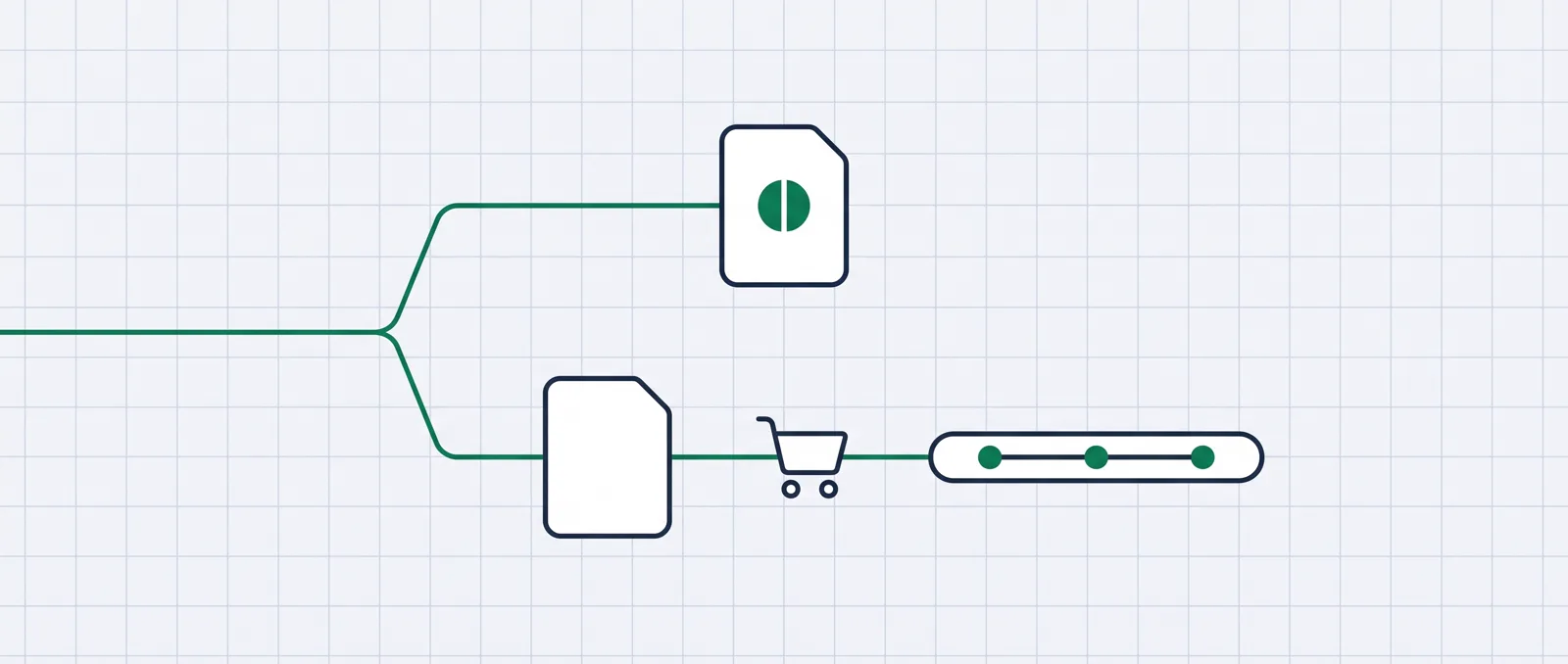
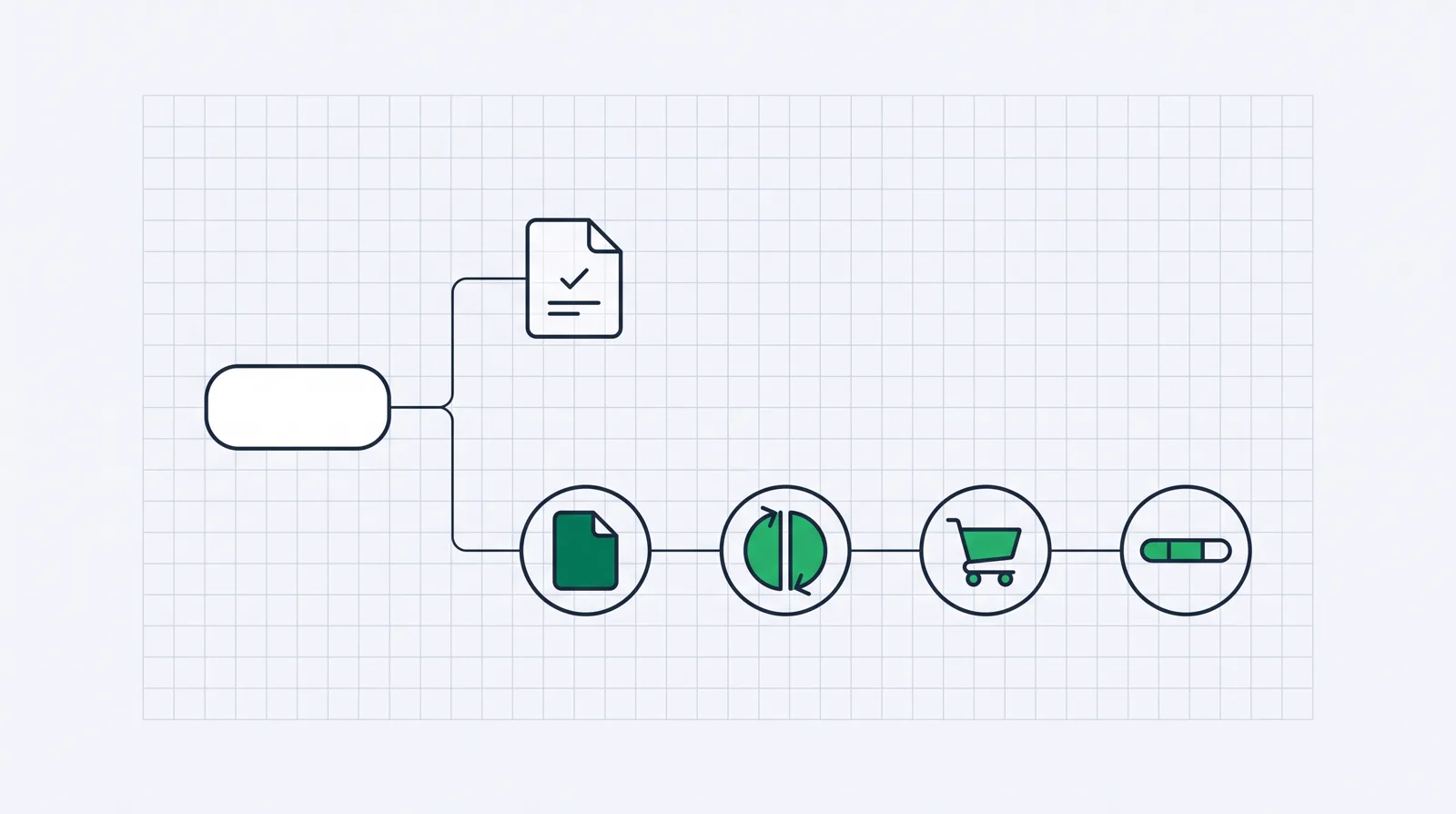
Landingi is a hosted landing-page builder aimed at PPC and lead generation, and a genuinely good one at its price. ElasticFunnels is a funnel platform for teams that run paid traffic: it builds the pages, splits them under one URL so your ads keep their learning, hosts the checkout, and keeps the CRM and the reporting on the same data. One tool ends at the page and the lead. The other owns the path from the campaign link through the checkout, the rebill and the refund.
The one question that decides it
Does the page have to carry the sale, or does it just have to publish and capture the lead?
If your checkout, cart or CRM already live somewhere you plan to keep, this is a contest about who builds and tests the page better for the money, and Landingi is strong there. If you would rather not run a separate cart and reconcile it against your ad spend by hand every week, Landingi stops short of the job and ElasticFunnels was built for exactly it.
What Landingi does well
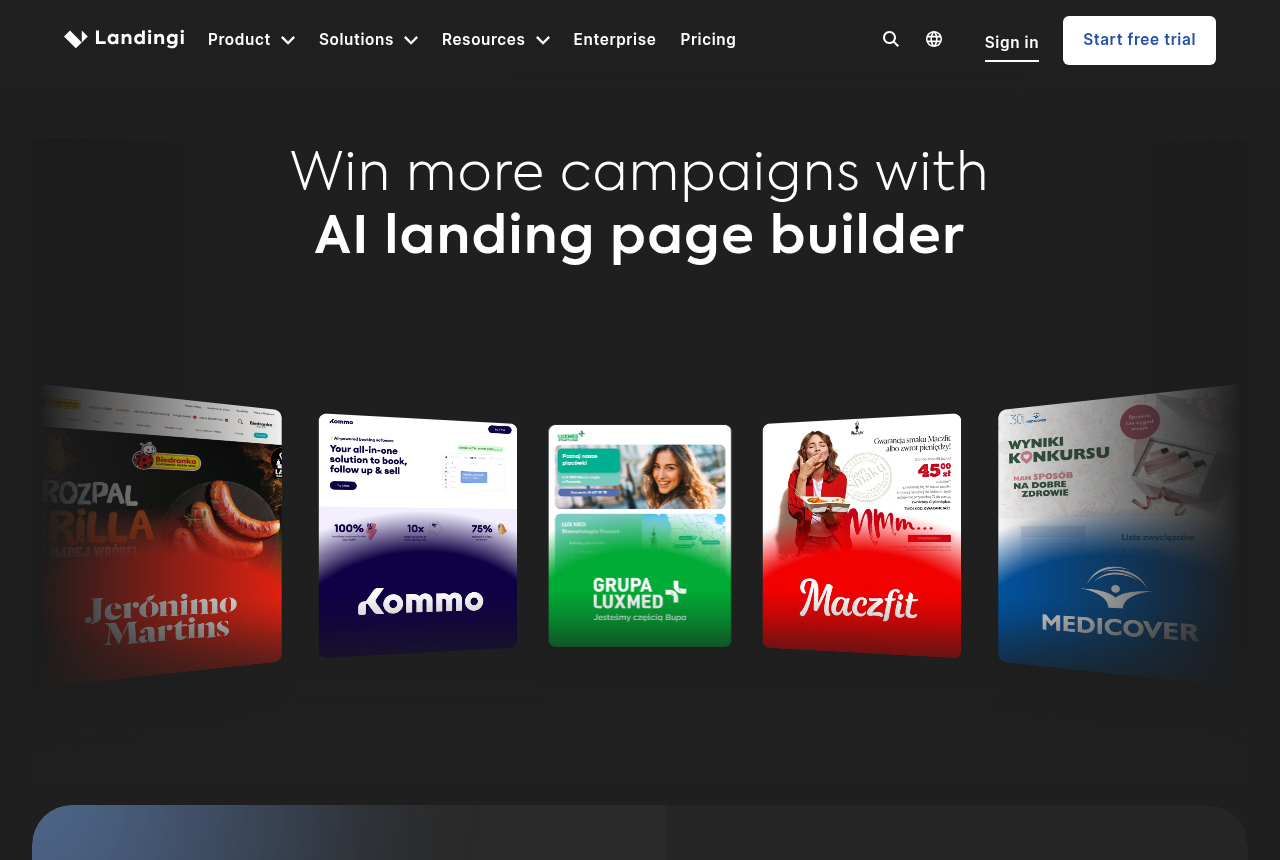
Landingi has built landing pages for more than a decade, and it earns its place on a budget shortlist. More than 400 templates and its Lunar AI generator get a campaign page live fast, no developer needed. A/B/X testing is included on the entry plan, which is unusual at this price. EventTracker behavioural analytics and 170-plus integrations arrive from the mid Optimize tier. Publishing is flexible: your own domain, a WordPress plugin, Landingi hosting or your own server. Support gets consistent praise on G2 and Capterra for a builder at this level.
The catches sit in the fine print rather than the feature list. The editor is more rigid than a specialist like Unbounce, and mobile layouts often need manual cleanup, so it is not the tool for pixel-level design work. Every plan carries a monthly visit cap, and the AI features draw on a credit allowance you can run out of. Add-on domains cost $5 a month each and keep billing after you cancel the core plan until the paid period ends, which has caught buyers out for months. Live chat runs weekday Polish business hours, so a weekend high-spend campaign waits for a reply. And the boundary that matters most in this comparison: Landingi has no cart. It captures the lead or sends the visitor onward, but the payment happens on another tool, and its analytics stop at the page.
What ElasticFunnels is, and where it pulls ahead
ElasticFunnels runs the whole path between the ad click and the customer on one platform: the page, the order, the decline recovery and the reporting, without stitching several tools together. It is aimed at the people who make money with funnels, meaning affiliates, product vendors, agencies and ecommerce brands running their own campaigns. Here is where it moves past a page builder, in the order that matters for a paid-traffic buyer.
Same-URL split testing. Variants rotate server-side under one campaign link, so Meta, Google and TikTok keep their learning and a test never sends the ad back through review. Landingi includes A/B/X testing, which is a real point in its favour at $29, but each variant is tuned to lift the page conversion in isolation. ElasticFunnels is built to test without resetting the ad platform feeding it traffic, which is the reason most teams say they switched.
The checkout. Order bumps, one-click upsells, subscription billing with dunning and retention offers, and multi-MID routing that cascades a charge across the payment accounts you connect. Landingi has none of that, because it is not a checkout tool. Multi-MID routing only pays off if you already hold several merchant accounts to route between. A seller on a single Stripe account still gets the pages, the same-URL testing, the checkout and the attribution, just not that particular routing edge.
One record. A click, an order, a rebill and a refund land on the same timeline, sliced by affiliate, geo, device or creative, with a CRM, automations and a call center working off it. Because Landingi's reporting ends at the page, a paid-traffic seller who uses it exports page numbers, cart numbers and CRM numbers and reconciles them by hand. ElasticFunnels keeps them on one customer record.
The honest caveat is that ElasticFunnels is newer than Landingi and the other platforms it competes with, and there is very little independent third-party review coverage to check its claims against, so until you run real volume through it you are largely taking the vendor's word. That thin public record is what you would expect of a platform this recent sitting next to a builder with a decade of reviews behind it, and it matters most to a buyer who decides on outside evidence rather than a trial. The 14-day trial takes no card and lets you build pages, funnels and a custom domain, so you can put the parts you care about in front of your own campaigns before you commit.
Both test, but the test means different things
Landingi's included A/B/X testing is a real advantage over builders that lock testing behind a higher tier. It tells you which page variant drove more of the goal you set, which is exactly what you want when the job is to raise a landing-page conversion rate.
ElasticFunnels tests to a different end. Because variants rotate server-side under one URL, a new test does not disturb the ad campaign feeding it, and because the checkout and CRM sit on the same record, a variant can be judged on the order, the upsell, the rebill and the refund rather than only the page conversion. The highest-converting page is not always the page that keeps the most revenue after refunds, and that is the gap a page-only test cannot see.
Which one for you
Pick Landingi if the page is the whole job: PPC and lead-gen campaigns where you need templates, an AI generator and A/B/X testing on a tight budget, and your checkout or CRM already lives somewhere you are keeping. Watch the add-on domain billing and the visit caps, but for a pure page-and-lead role it is one of the better-value builders around.
Pick ElasticFunnels if you buy traffic to your own offers and want the page, a split test that keeps your ad learning, the checkout and the reporting on one customer record instead of scattered across three tools. It is the stronger overall fit for this site's paid-traffic reader, provided you are comfortable proving a newer platform against your own numbers. Read our ElasticFunnels review and Landingi review for the full breakdown of each.
ElasticFunnels
What works
- Replaces the stack a growth team usually stitches together: a funnel builder, a checkout or CRM, a testing tool and an analytics tool, so a click, an order, a rebill and a refund are one record instead of four exports you reconcile on Monday
- Its standout is testing under one URL: variants rotate server-side on one campaign link, so Meta, Google and TikTok keep their learning and a test never sends the ad back for review
- The AI builder writes a page from a prompt across 14 page types, and the cloner turns a competitor URL into a working copy in about a minute
- Its checkout routes each charge across the NMI and Stripe accounts you connect, cascading to the next one on a soft decline, with order bumps, one-click upsells and subscription dunning built in
- Analytics put sessions, orders, rebills and refunds on one timeline, sliced by affiliate, geo, device or creative, and a built-in CRM and call center work off the same records
- A trial tests the whole tool because nothing is gated behind a higher tier: plans differ only by the traffic volume they allow
What to watch
- Newer than the platforms it competes with, with very little independent review coverage to check its claims against, so until you run real volume through it you are largely taking the vendor's word
- Multi-MID routing, the standout in its checkout, only pays off if you already hold several merchant accounts to route between. A seller on a single Stripe account still gets the pages, the testing, the analytics and the CRM, but not that routing advantage
- It is not a merchant of record like Paddle: it will not file your sales tax or carry dispute liability, so that work stays with you and your processors
- The 0.5% checkout fee applies to revenue through its hosted checkout, on top of the monthly plan and your own processor fees, though sales on external networks like ClickBank or BuyGoods are not charged
Landingi
What works
- 400+ templates and an AI page generator (Lunar) get a campaign page live fast, no developer needed
- Noticeably cheaper than Unbounce or Instapage for the same lead-gen and PPC job, with A/B/X testing included
- Server-side A/B testing, EventTracker behavioural analytics and 170+ integrations from the mid Optimize tier
- Flexible publishing: your own domain, a WordPress plugin, Landingi hosting or your own server
- Support gets consistent praise on G2 and Capterra for a builder at this price
What to watch
- The editor is more rigid than Unbounce and mobile layouts often need manual cleanup, so it is not for pixel-level design work
- Add-on domains cost $5/mo each and keep billing after you cancel the core plan until the paid period ends, which has caught buyers out for months
- No smart traffic routing, and dynamic text and server-side testing sit behind higher tiers, so it is not the top PPC feature set
- Every plan has a monthly visit cap and AI features burn a credit allowance you can run out of
- Live chat is weekday Polish business hours only, so weekend high-spend campaigns wait for a reply
Pricing
ElasticFunnels: from $97/mo. Starter $97, Growth $197, Scale $497 per month. Every feature on every plan; plans differ by traffic, brands, domains and team members. 14-day trial, no card. 0.5% fee only on EF-hosted checkout; external network sales are not charged.
Landingi: from $29/mo. Annual rates: Build $24/mo (10 active pages, 2,000 visits, 1 domain, 2,500 credits); Optimize $119/mo (100 pages, 30,000 visits, 3 domains, 10,000 credits, EventTracker and server-side A/B testing); Scale from $229/mo; Enterprise from $1,199/mo. Annual billing includes two months free. The 14-day trial is capped at 200 visits; Landingi says it sometimes requests a card.
Pricing verified against each vendor on 2026-09-14. Check before you buy.
Our pick
ElasticFunnels
ElasticFunnels is a funnel platform built for teams that run paid traffic: it builds the pages, splits them behind one URL so your ads never reset, hosts the checkout, and keeps the CRM and the reporting on the same data. Same-URL split testing is the reason most teams switch. Its checkout stands out for multi-MID routing, which cascades a charge across the payment accounts you connect and only pays off if you already run more than one. It is newer than the platforms it rivals, though, and third-party proof is thin so far.
Frequently asked questions
ElasticFunnels or Landingi: which should I use?
Which is cheaper, ElasticFunnels or Landingi?
Can Landingi take payments or run a checkout?
Is Landingi good for A/B testing on a budget?
Which fits a buyer running paid traffic to their own offers?

Written by
Dana Rourke
Lead reviewer
Dana Rourke is the lead reviewer at Campaign Buyer. She owns the tracker and attribution coverage: reading what long-term users report about each tool, checking its documentation and pricing, and verifying prices with the vendor before writing the verdict. Keeping the rankings honest mostly means writing down what the top pick gets wrong, so she does that first.
Last checked 2026-09-29