A WordPress theme and visual page builder with unlimited-site licensing.
You have heard of Divi. It is one of the most-sold products in the WordPress world, and if you are weighing it the real question is not whether it exists or works. It is whether you will regret the purchase once you have built on it. The short answer: it is real, it is well-supported, and for the right buyer it is good value. The catch is weight, and for a media buyer pointing paid clicks at a page, weight is the thing that costs you money.
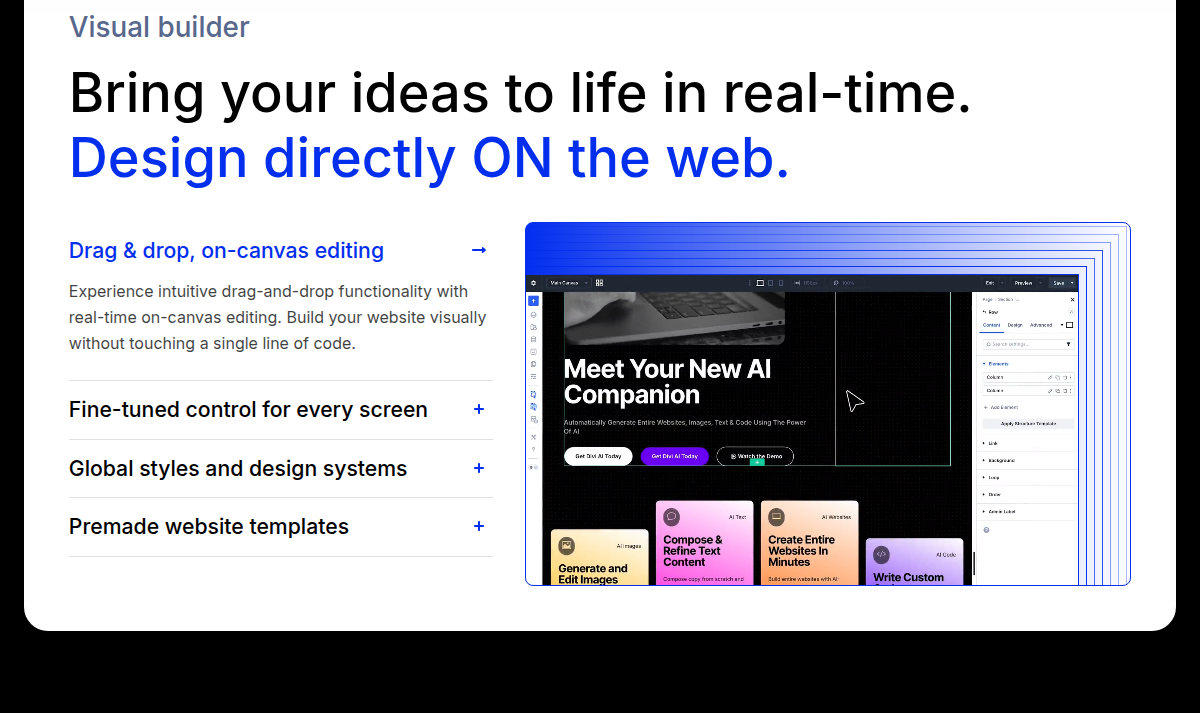
Divi is two products in one, from Elegant Themes: a WordPress theme and a visual, drag-and-drop editor that lets you design directly on the page. One licence covers every site you build, which is why freelancers and agencies reach for it. In February 2026 the company shipped Divi 5, a ground-up rebuild aimed at speed and a modern design system, so a lot of the older criticism online is aimed at Divi 4 or early test builds of it rather than the version you buy today.
Is it real? Yes, and that was never the risk
The company has sold Divi for over a decade to more than a million customers, and the reviews back that up: its Trustpilot rating sits at 4.7 across more than 25,000 reviews, and support is the thing people praise most. Every licence includes 24/7 chat and email support, and the VIP tier promises replies inside 30 minutes. If your worry is that this is a fly-by-night tool that will vanish, put it down. It is one of the most established names in the category.
The real regret risk is weight
Divi's builder buys you convenience by adding markup. It ships CSS and JavaScript to render the page, and the consistent complaint from long-term users is that Divi sites are easy to make slow. Public threads show builds scoring in the teens on Google PageSpeed and mobile LCP measured in whole seconds, worse when WooCommerce or an LMS is in the mix. The rebuild adds dynamic CSS, critical CSS and other performance features, and a disciplined build on good hosting can score well. But the burden is on you. For a cold visitor arriving from an ad on a mid-range phone, a heavy page is a bounce, so if the job is one fast landing page and nothing more, a lighter tool like SeedProd beats Divi at it.
Lock-in: much better than it was
Divi's oldest knock is lock-in. Divi 4 stored every layout as shortcodes inside your post content, so leaving Divi left a mess of code to strip out by hand, and migration threads are full of people doing exactly that. The rebuild fixes the root of it: it drops shortcode storage for a format closer to the WordPress block editor, and ships a migrator that converts the old modules. It is a real improvement. It is not a magic exit, though. Legacy modules and third-party add-ons can force a backward-compatibility layer, and a large old site can still be painful to move. Any full page-builder build is harder to leave than a native one, so weigh that before you pour years of work into it.
Value, and the sale that never ends
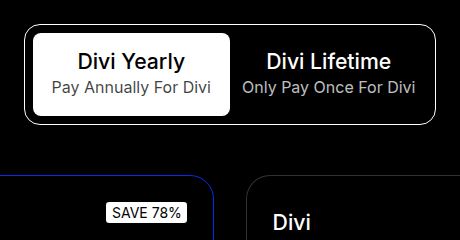
On price, the tool is genuinely cheap for what you get if you build more than one site. As of September 2026 the yearly plan is $70 and the lifetime licence is a one-time $199, both for as many sites as you want, so it pays for itself in about three years. The awkward part is how it is sold: the price sits behind a countdown anniversary sale banner that, in practice, rarely expires, which makes the real number hard to read and the urgency hard to trust. The other honest caveat buyers raise is that Divi's core modules can feel basic, which nudges you toward paid Divi Marketplace add-ons whose cost adds up. And that deal covers Divi itself, not the Pro services (Divi AI, Cloud, VIP, Teams), which stay a yearly bill.
Who it is for
Buy Divi if you build several sites on WordPress, want a single theme and builder across all of them, and value buying once and strong support over the leanest possible page. Skip it, or at least test it in the first 30 days, if you need one fast campaign page, care most about Core Web Vitals, or want to stay close to native WordPress. If you already run your whole site on Elementor, there is little reason to switch. And if speed is everything, see where Divi sits against the lighter options in our best WordPress landing page builder ranking.