Fospha is a real, well-established measurement platform, so the risk is not whether it works. It is fit and cost. Buy it if you are a scaling or enterprise retail brand spending at least $100k a month on media, you sell across DTC and marketplaces like Amazon or TikTok Shop, and you want a platform-independent read on what your paid media is really doing. Skip it if you are a small store or a solo buyer whose spend lives in one or two ad platforms, where the $1,500 floor and the modeled, directional numbers cost more than your question needs.
You have heard Fospha named in a room where someone was defending a marketing budget, and you want two things settled before you take the demo: is it a real platform, and will you regret signing. The short answer is that it is real and well established, used by brands like Gymshark, Huel and Sweaty Betty, and the regret risk is not the software. It is whether your spend and your stack are the ones it was built for.
What Fospha actually is
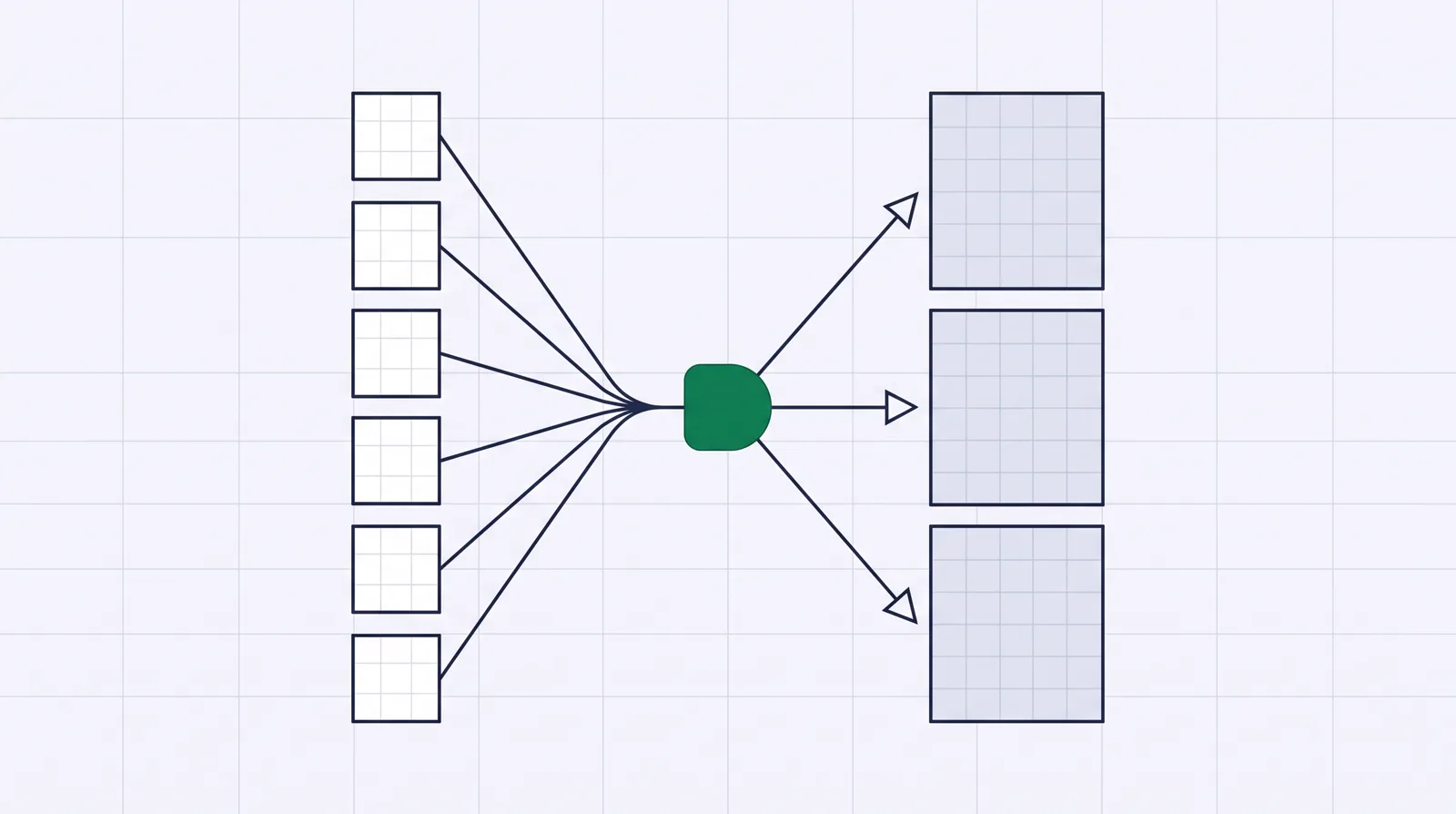
Fospha calls itself a Measurement Operating System, which is marketing language for a daily media mix model. Instead of dropping a pixel and counting clicks, it models the impact of every channel on your sales from your ad spend, impressions, clicks and conversions, and it retrains that model every day. The output is a single, platform-independent read on what your paid media is actually driving, from campaign down to ad level on the higher tiers.
It moved away from pixel-based tracking early, and that is the whole pitch. Pixels over-credit the bottom of the funnel and break entirely on marketplaces like Amazon, where there is no pixel to fire. A modeled approach can give upper-funnel channels, and channels you cannot track at all, credit a click-based tool never would. That is why Fospha is reached for by brands whose growth depends on TikTok, YouTube, Snapchat and Amazon rather than a single Meta account.
It is established. The company says it has spent more than ten years building its measurement model and now works with hundreds of retail brands. Onboarding is genuinely light for a platform at this level. It needs admin access to your ad accounts, Google Analytics and ecommerce platform, no code and no dev team, and most clients are live inside 28 days with 24 months of history loaded from day one.
Where it is strong: the channels a pixel cannot see
The praise that comes up again and again is that the numbers read truer than what the ad platforms report about themselves. One G2 reviewer described it as "accurate measurement of true attribution which is significantly better than in-platform," and that is the job it is bought for: an impartial referee when Meta, Google and TikTok are each claiming the same sale.
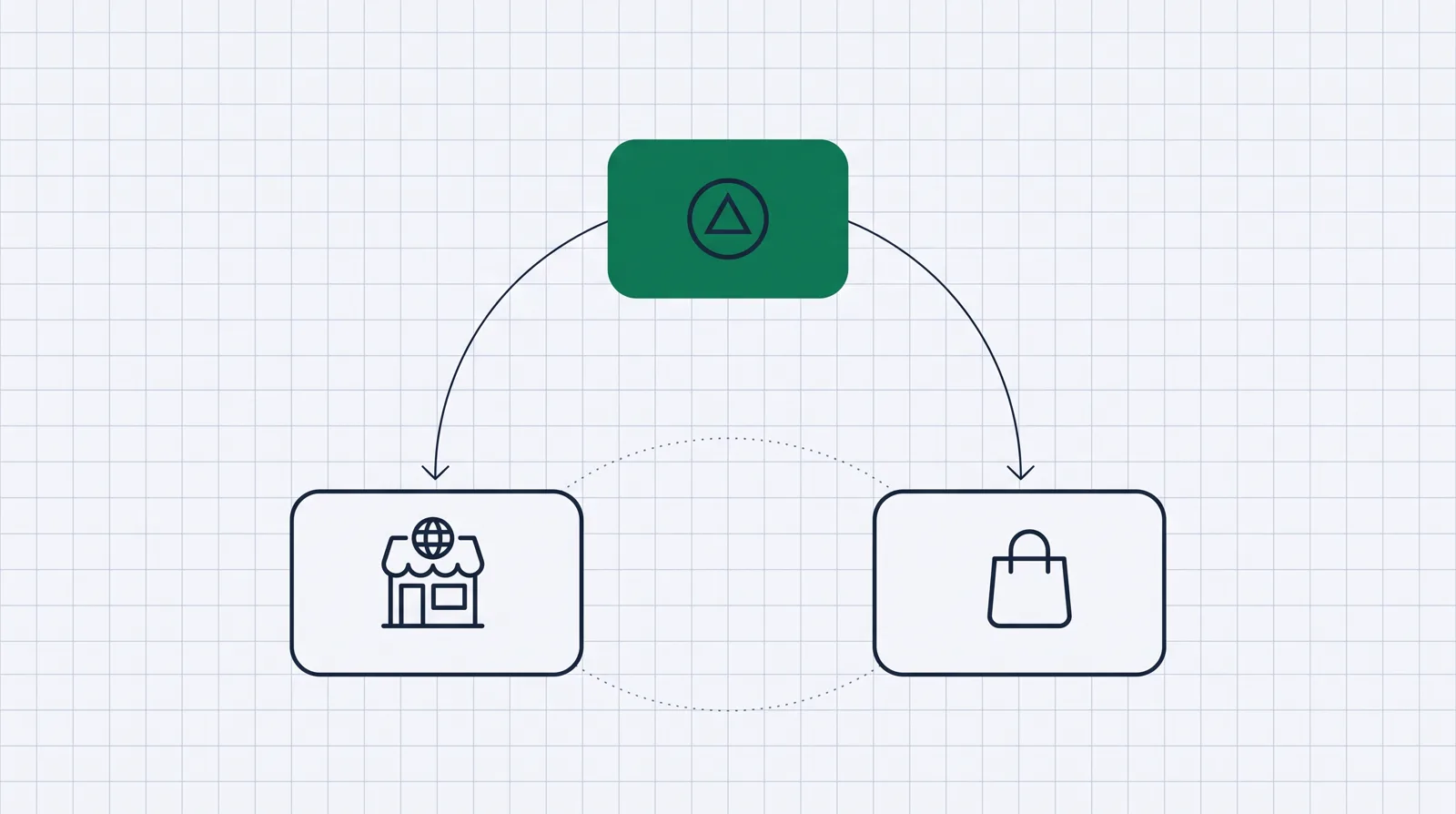
The strongest single capability is marketplace measurement. Its Halo product models how your paid media drives sales on Amazon and TikTok Shop, not only on your own website. Most DTC dashboards are blind here, because the customer leaves your site to buy, so the budget that drove the marketplace sale looks wasted. If your growth plan runs across .com and marketplaces, that visibility is the reason to look at Fospha over a lighter tool.
Halo models how one dollar of paid media can drive both a .com sale and a marketplace sale, the spillover a pixel-only tool misses.
Beyond that, its Beam product forecasts where your next dollar goes furthest using saturation curves, so you can see the point where a channel stops paying back before you spend into it. And the model is a glass box: Fospha shows the layers and validation metrics rather than handing you a black-box score, with a dedicated measurement team whose job is to help you defend the numbers in a finance meeting. For teams that have to justify spend upward, that support is a real part of what you pay for.
The independence question
Here is the concern to weigh most carefully, and it is structural rather than a bug. Fospha holds formal, endorsed measurement partnerships with the very platforms it is supposed to grade impartially: Meta, TikTok, Pinterest, Snapchat, Reddit and Google. A rival measurement vendor's analysis put the tension bluntly: "The tool measuring your Meta spend is also Meta's endorsed measurement partner. The tool evaluating your TikTok ROAS has a formal relationship with TikTok." The same critique argues that Fospha's impression-weighted model tends to credit high-volume upper-funnel channels generously.
Read that in context. The source is a competitor, so it has its own reason to raise it, and Fospha's modeled approach is deliberately built to give upper-funnel channels credit a last-click tool withholds, which is a feature to some buyers and a bias to others. But it is a fair question to put to the sales team. How does the model guard against flattering the platforms that endorse it, and can you validate its channel-level numbers against an incrementality test you run yourself. A vendor confident in its glass box will have an answer.
Attribution is a model, not the truth
This is true of the whole category and worth saying plainly. Every measurement tool since the iOS privacy changes is making educated estimates, and a media mix model is estimates by design. Fospha's numbers are directional. They will not reconcile to the last dollar with Meta, with Google and with your finance team at the same time, and they are not meant to. The value is a consistent, like-for-like comparison across channels that you act on as a decision aid, not a scoreboard you treat as exact. If your organisation wants a single hard number that everyone stops arguing about, no attribution tool delivers that, and Fospha will disappoint anyone expecting it to.
Who it is for, and who should skip it
Fospha is for a scaling or enterprise retail brand spending real money on media across several channels, ideally including marketplaces. Its own pricing draws the line: every plan requires at least $100k a month in media spend. Below that, the model has too little signal and the bill is too large a share of your budget to justify. If you are a small Shopify store or a solo buyer whose spend lives in one or two ad platforms, start with clean UTMs, your platform reporting and a post-purchase survey, and read our best ecommerce attribution software ranking for tools that fit a smaller stack.
If you have outgrown those and you are choosing between serious platforms, weigh it against Northbeam, the other measurement platform on this site built for high-spend brands, and read Fospha alternatives for the full field. Northbeam leans on multi-touch attribution plus modeling and suits a team with its own analyst. Fospha leans on daily MMM and marketplace coverage and does more of the interpreting for you.
What it costs
Fospha now publishes its pricing, which is rare in this category. Lite is $1,500 a month for brands spending $100k to $500k, Pro is $2,000 a month plus a percentage of media spend up to $1m, and Enterprise is a custom quote above that. There is no free tier and no self-serve trial, so you commit through a demo before you see it on your own data. Our full Fospha pricing breakdown goes tier by tier and lists what to confirm on the call.
So, will you regret it?
If you are the brand it is built for, spending at scale across DTC and marketplaces and wanting an impartial, full-funnel read your finance team will accept, Fospha is a credible and well-supported choice, and the honest caveats are the independence question and the fact that its numbers are directional. If you are smaller than that, or you want a tool that both measures and acts, the regret is likely. It is more platform, more money and more modeling than your question needs. Match the tool to your spend, and the answer gets easy.
Pros and cons
What works
Platform-independent, pixel-free measurement that reviewers say reads truer than the numbers each ad platform reports about itself
Measures the full funnel and, unusually, marketplaces: its Halo product models how paid media drives Amazon and TikTok Shop sales, which most DTC dashboards cannot see
Glass-box modeling with daily outputs and a dedicated measurement team, so the numbers refresh every day and someone helps you defend them in the budget meeting
Light onboarding for a platform at this level: live in under 28 days with 24 months of history, no pixel install and no dev team required
Publishes its pricing openly (Lite $1,500, Pro $2,000 plus a percentage of spend), which is rare in a category that mostly hides behind a demo
What to watch
High floor: every plan needs at least $100k a month in media spend and starts at $1,500/mo, so it is out of reach for small or pre-scale brands
No free tier and no self-serve trial. You commit through a demo before you can validate it on your own data
The independence question: Fospha is the endorsed measurement partner of the same platforms it grades, and critics argue its impression-weighted model can flatter high-volume upper-funnel channels
It is a model, not the truth. Outputs are directional MMM estimates that will not reconcile exactly with each ad platform or your finance team, so someone has to read them as a decision aid
Dashboard limits reported by users: only campaign-level granularity on the entry tier, filtering that needs manual handling, no direct BI-tool connections without exports, and extra cost for older historical data
Measurement only: it tells you where to spend but does not execute the changes, so it sits alongside your ad platforms rather than replacing them
What buyers keep saying
Research: unverified
Platform independent measurement that reads better than in platform numbers↑ frequently praised
Reviewers and cited customers say Fospha's modeled, pixel-free read gives a fuller and more trustworthy picture than the numbers Meta, Google or TikTok report about themselves, and that it is what gave teams the confidence to fund upper-funnel and marketplace channels they could not previously justify.
“accurate measurement of true attribution which is significantly better than in-platform”
The independence question: it grades the platforms it partners with↓ common complaint
The sharpest criticism is structural, not a bug: Fospha holds formal, endorsed measurement partnerships with Meta, TikTok, Pinterest, Snapchat and others, the same platforms it is supposed to measure objectively, and critics argue its impression-weighted model tends to credit high-volume upper-funnel channels generously.
“The tool measuring your Meta spend is also Meta's endorsed measurement partner. The tool evaluating your TikTok ROAS has a formal relationship with TikTok.”
“The tool measuring your Meta spend is also Meta's endorsed measurement partner. The tool evaluating your TikTok ROAS has a formal relationship with TikTok.”
Three published tiers. Lite $1,500/mo for brands spending $100k-$500k/mo on media (one market, daily MMM, channel/campaign granularity). Pro $2,000/mo plus a percentage of media spend for $100k-$1m/mo (ad-level granularity, post-purchase attribution, Beam forecasting, up to three markets, Amazon and TikTok Shop via Halo). Enterprise is quote-based for $1m+/mo (incrementality and offline calibration, Brand Impact, five markets, automation via Smartly). No free tier and no self-serve trial; every plan requires at least $100k/mo in media spend. Prices also listed in EUR and GBP.
Pricing verified against the vendor on 2026-09-27. Prices go stale. Check the vendor before you buy.
27 September 2026. First published. Verified pricing and features against the vendor and ranked Fospha in its category.
Frequently asked questions
How much does Fospha cost?
Three published tiers. Lite $1,500/mo for brands spending $100k-$500k/mo on media (one market, daily MMM, channel/campaign granularity). Pro $2,000/mo plus a percentage of media spend for $100k-$1m/mo (ad-level granularity, post-purchase attribution, Beam forecasting, up to three markets, Amazon and TikTok Shop via Halo). Enterprise is quote-based for $1m+/mo (incrementality and offline calibration, Brand Impact, five markets, automation via Smartly). No free tier and no self-serve trial; every plan requires at least $100k/mo in media spend. Prices also listed in EUR and GBP.
Who is Fospha best for?
Fospha is a real, well-established measurement platform, so the risk is not whether it works. It is fit and cost. Buy it if you are a scaling or enterprise retail brand spending at least $100k a month on media, you sell across DTC and marketplaces like Amazon or TikTok Shop, and you want a platform-independent read on what your paid media is really doing. Skip it if you are a small store or a solo buyer whose spend lives in one or two ad platforms, where the $1,500 floor and the modeled, directional numbers cost more than your question needs.
Sources
Other sources
4 discussions and reviews read for this page. Quotes are excerpts; open a link to read the original in context.
Dana Rourke is the lead reviewer at Campaign Buyer. She owns the tracker and attribution coverage: reading what long-term users report about each tool, checking its documentation and pricing, and verifying prices with the vendor before writing the verdict. Keeping the rankings honest mostly means writing down what the top pick gets wrong, so she does that first.