A direct-response ecommerce platform for high-volume sellers: custom checkout, funnel pages, upsells, subscriptions and multi-gateway routing on one CRM.
Checkout Champ is the pick if you already sell at real volume, run one-click upsells and subscriptions, and need to route payments across several merchant accounts from one CRM. It is a serious direct-response platform, not a beginner cart. The catch is the commitment: it starts at $300/mo plus 1% of sales, there is no free trial or self-serve signup, and it hands you the hard parts. Tracking, chargebacks and gateway setup are yours to get right.
You have probably heard the name in a direct-response or dropshipping group, usually from someone who moved off Shopify's native checkout and started talking about upsells and average order value. The question behind an "is Checkout Champ any good" search is narrower than the pitch: is it real, and will you regret the commitment. The short answer is that it is real. It runs on the Konnektive CRM engine, a direct-response platform that has processed payments for years, and Checkout Champ reports more than $7 billion in transactions, over 200 million transactions a year, and 60,000-plus active users across 270-plus payment gateways. This is an established system, not a launch-week gamble. Whether you will regret it comes down to two things: what you sell, and whether you have the volume and the people to run it.
What Checkout Champ actually is
It is not a checkout button you bolt onto a store. It is a direct-response ecommerce platform that replaces the native checkout with a fast, fully customizable one, builds the sales funnel pages that feed it, and keeps the orders, subscriptions and customers in an enterprise CRM behind them. The core pieces are the ones a paid-traffic seller cares about: single-step checkouts built for speed, on-page and pop-up order bumps, true one-click post-purchase upsells, subscription billing, and split testing across pages, prices, products, upsell flows and even gateways. Around that sit multi-store management from one dashboard, a customer subscription portal, roughly 500 direct integrations, and an API for headless setups. The vendor's own framing is blunt: your storefront is built for browsing, your paid traffic is built for buying, and the two want different pages.
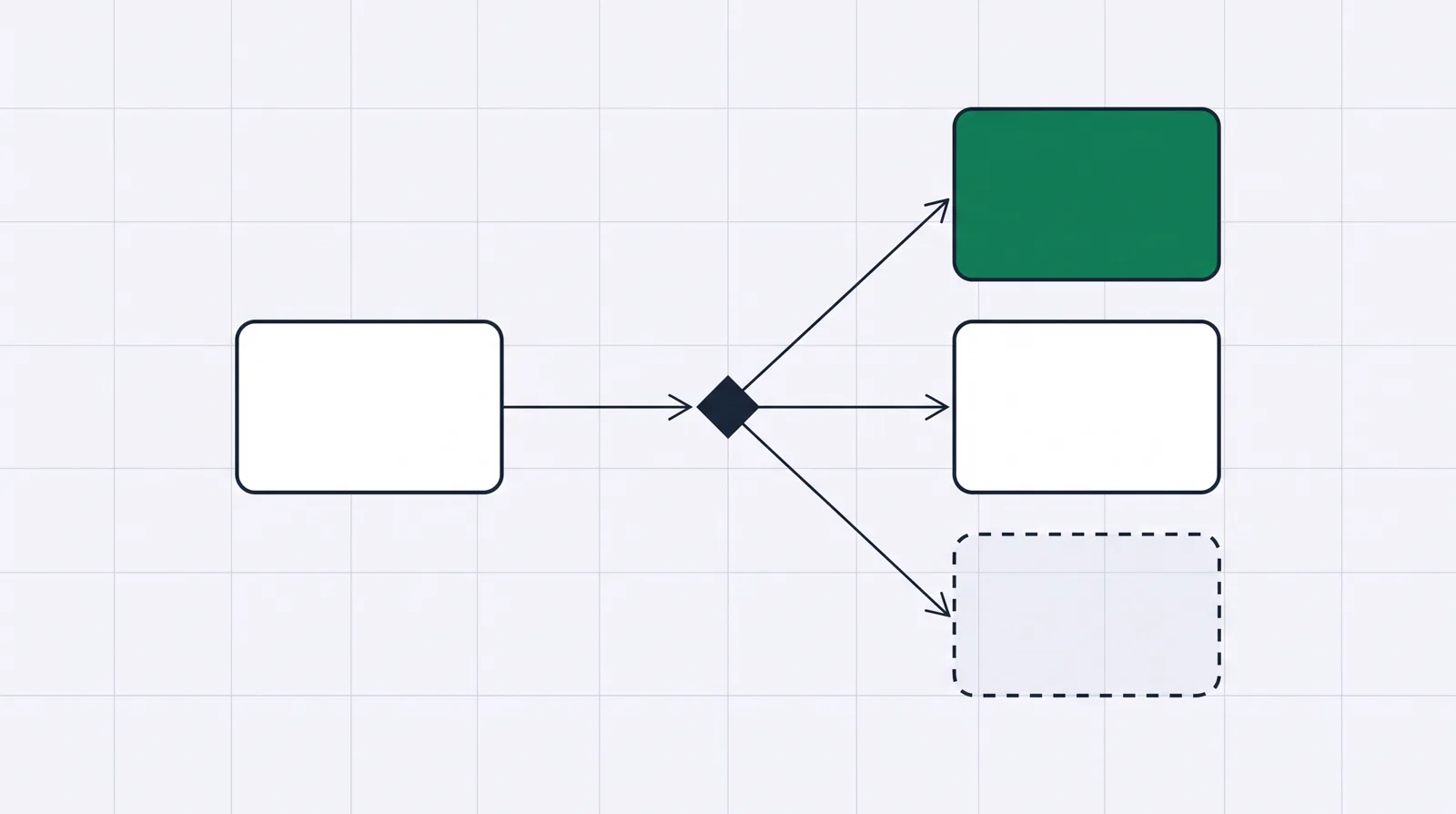
Intelligent billing logic spreads a store's volume across several merchant accounts. If one account has a problem, the next takes the charge, and high-volume sellers lean on that redundancy.
Who it is for, and who it is not
Checkout Champ fits a specific buyer well. If you run high-volume DTC or subscription offers, send paid traffic to presell pages and advertorials, live and die by upsells and average order value, and need to spread payments across more than one merchant account, this is squarely built for you. It is also a common choice for high-risk categories such as supplements, where gateway diversity and subscription rebills matter more than a pretty catalog.
It is the wrong tool for a small or pre-revenue store. The entry cost, the percentage fee and the setup effort are hard to justify under roughly $50,000 a month in sales, and if all you need is a clean checkout on an existing Shopify or WooCommerce store, a simpler cart will serve you for less. This is a platform you grow into, not one you start on.
The regret risks, named
Capability is not the risk here. Three other things are. The first is cost and commitment. There is no free trial and no self-serve signup: you book a demo and get a quote. Published pricing opens at $300 a month plus 1% of gross sales on the Growth plan, with an Enterprise tier at $300 a month plus a volume-based fee reduction for sellers past a million a month. The real number is higher once you add optional plugins, payment processor fees, and the account manager charge that kicks in after the 60-day setup period. Treat it as a monthly fee plus a percentage of revenue plus add-ons, and check exactly what the 1% is calculated on before you sign.
The second is tracking. The clearest warning from operators running Checkout Champ with paid traffic is not about the checkout itself, it is about attribution. When you push ads through a custom lander, a redirect and a separate checkout domain, click IDs get dropped and cookies get split, and the ad platforms lose the thread. This is a wiring problem you can solve with server-side tracking, but it lands on you, and it needs someone technical to set up and watch. Budget for that person, not just the platform.
The third is chargebacks and compliance. Checkout Champ's own FAQ is candid that it does not control chargebacks and only reports them after they post, and it recommends you use a separate chargeback management company. Its acceptable-use rules also carry real teeth, including an investigation fee for certain complaints and a zero-tolerance line on hidden subscriptions. For the aggressive subscription and free-trial offers this platform is often used for, read those terms before you build.
How it sits against the other checkout tools we cover
The distinction is who each is for. SamCart and ThriveCart are conversion-focused carts for digital products, courses and subscriptions: order bumps and upsells, a shallow learning curve, and a single connected processor. Neither routes across multiple merchant accounts, and neither is built for high-risk categories. Paddle is a different animal again, a merchant of record that becomes the legal seller and takes tax and chargeback liability off your plate, which suits software but bars most direct-response offers. Checkout Champ is the one in this group built for high-volume direct response, where routing across several accounts, subscription rebills and post-purchase upsells are the whole point. If you have outgrown a single-processor cart, that is the reason to look at it. If you have not, one of the simpler tools is the honest recommendation.
We do not run live campaigns through the tools we cover. We read what long-term users report on Reddit, G2 and elsewhere, checked Checkout Champ's own documentation, pricing and terms, and verified the prices against the vendor's site on the date shown below. Where the public evidence is thin, as it is here, we say so rather than paper over it. Full detail is on our how we research page.
Pros and cons
What works
Built to raise order value at volume. On-page and pop-up order bumps, true one-click upsells, and dynamic upsell offers that change by product, with A/B/C/D split testing on pages, prices, products and upsell flows. This is the machinery a direct-response seller buys it for.
Multi-gateway routing is the real separator. Intelligent billing logic spreads volume across 270+ gateways and merchant accounts, so you get redundancy if one account has a problem, and subscription billing runs on any account you connect with no extra platform fee. The digital-product carts on this site cannot do this.
One CRM for many stores. Reporting and CRM run deep, you manage multiple storefronts and thousands of SKUs from a single dashboard, and there is a customer portal for subscription self-service and a documented API for headless setups. Reviewers single out the reporting depth.
Hands-on setup support. Each account is assigned an account manager who can configure it with you on a kickoff call, and long-term users repeatedly praise the live support.
What to watch
No self-serve, and the price is not really "$300". Access is by demo and quote, plans open at $300/mo plus 1% of gross sales, and add-ons like fraud screening, 3DS, consent management and account updater bill as separate line items. Continuing with your account manager after the 60-day setup period is another monthly charge. Budget the all-in number, not the headline.
Tracking and attribution are on you. Sending paid traffic across custom landers, redirects and separate domains can drop click IDs and split cookies, so Meta and Google cannot match the conversion. It is a wiring problem rather than a platform defect, but it needs server-side tracking to solve and someone technical to own it.
It does not manage chargebacks. The vendor's own FAQ says Checkout Champ only reports chargebacks after they post and recommends you bring a separate chargeback company. For the high-risk categories it otherwise suits, that is a cost and a task it leaves with you.
Thin independent proof. Public review volume is small, around a dozen G2 reviews with some marked incentivized, and the Reddit footprint is sparse. That is what you would expect of a specialist platform sold by demo rather than self-serve, but it means the trial you run yourself matters more here than the reviews you read.
What buyers keep saying
Research: unverified
Cost scales with your sales
The headline number is only the start. Billing is a monthly fee plus a percentage of gross sales, so the platform gets more expensive as you grow, and at least one G2 reviewer named the per-order charge lifting the monthly fee as their main gripe.
Reviewers rate the platform highly for its CRM, reporting and checkout flexibility, but repeatedly note a learning curve and setup that can be fiddly, which points to established operators rather than first-time sellers.
Onboarding runs through an assigned account manager, and several reviewers praise the live support, but at least one long-standing Reddit report describes a poor customer-service experience, so it is worth pressing on response times and escalation before you commit.
“Checkout champ, but I had a horrible customer service experience with them.”
Growth is $300/mo plus 1% of gross sales, aimed at sellers doing $50k+/mo. Enterprise is $300/mo with volume-based fee reductions, positioned for $1M+/mo. Billing is a monthly fee plus a percentage of everything you process, so it rises with volume. No public free trial; onboarding is demo-led with an assigned account manager through a 60-day setup period (continued access afterward costs extra). Some add-on plugins bill separately (PAAY 3DS, Fraud Manager, Clym.io, Account Updater).
Pricing verified against the vendor on 2026-09-27. Prices go stale. Check the vendor before you buy.
28 September 2026. First published. Verified pricing and features against the vendor and ranked Checkout Champ in its category.
Frequently asked questions
How much does Checkout Champ cost?
Growth is $300/mo plus 1% of gross sales, aimed at sellers doing $50k+/mo. Enterprise is $300/mo with volume-based fee reductions, positioned for $1M+/mo. Billing is a monthly fee plus a percentage of everything you process, so it rises with volume. No public free trial; onboarding is demo-led with an assigned account manager through a 60-day setup period (continued access afterward costs extra). Some add-on plugins bill separately (PAAY 3DS, Fraud Manager, Clym.io, Account Updater).
Who is Checkout Champ best for?
Checkout Champ is the pick if you already sell at real volume, run one-click upsells and subscriptions, and need to route payments across several merchant accounts from one CRM. It is a serious direct-response platform, not a beginner cart. The catch is the commitment: it starts at $300/mo plus 1% of sales, there is no free trial or self-serve signup, and it hands you the hard parts. Tracking, chargebacks and gateway setup are yours to get right.
Sources
Other sources
3 discussions and reviews read for this page. Quotes are excerpts; open a link to read the original in context.
Dana Rourke is the lead reviewer at Campaign Buyer. She owns the tracker and attribution coverage: reading what long-term users report about each tool, checking its documentation and pricing, and verifying prices with the vendor before writing the verdict. Keeping the rankings honest mostly means writing down what the top pick gets wrong, so she does that first.