A conversion-focused checkout for digital products, courses and subscriptions, priced for sellers who already have sales.
You have heard the name, probably in a course-creator group or a checkout comparison, and the real question is the one behind every "is it any good" search: is SamCart a safe place to put your sales, and will you resent the bill in three months. The short version is that it is real. The company has been selling checkouts since 2014, and says more than 75,000 businesses and over $8 billion in transactions have run through it. This is an established platform, not a launch-week gamble.
Whether you will regret it is a narrower question, and it comes down to two things: what you sell, and whether the price earns its keep. Our read, from the vendor's own pages and from what long-term users report, is below.
What SamCart actually is
It is a checkout and cart platform for people who sell digital products, courses, coaching, memberships, subscriptions and, increasingly, physical goods. The whole pitch is in a line the site repeats: most platforms help you make the sale, this one is built to make every sale worth more. In practice that means the sales page, the checkout, the order bumps, the post-purchase upsells, subscription billing and the reporting all live in one place, with no separate cart plugin to wire in. The company has also folded in AI tools that draft sales copy and lay out pages, though those are the newer, less proven part of the product.
How the part that makes money works
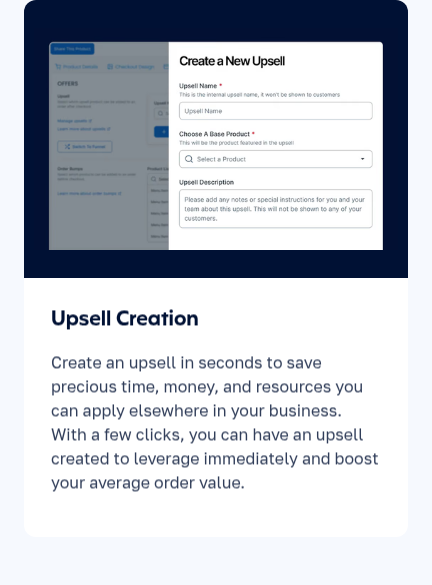
The reason to buy SamCart over a plain payment link is the two levers at the point of sale. An order bump is a checkbox on the checkout page that tacks a companion product onto the order while the buyer's card is already out; the vendor reports an average revenue lift of 31% from it. A one-click upsell comes right after the first purchase and charges the same card with a single tap, no re-entry, which SamCart puts at a 68% bump to average order value. Run both and it claims up to a 98% lift. Treat those as best-case vendor numbers rather than a promise, but the mechanism is sound, and it is the thing SamCart does better than most single-purpose carts.
Around that sit the retention features. Subscription Saver retries failed recurring payments and runs the dunning follow-up, and cart abandonment emails chase buyers who dropped off. If you sell on a recurring plan, that recovery is often where a checkout pays for itself.
Who it is genuinely for
The platform fits a seller who already has traffic and sales, sells at a mid to high ticket or on subscription, and wants upsells and bumps working without building them from plugins. Course creators, coaches, membership operators and info-product sellers are the core audience, and the built-in members area and course hosting mean you can deliver what you sell from the same place you get paid.
It fits badly for someone pre-revenue, or selling a single low-ticket ebook. At $9 to $49 a sale with no consistent volume, a fixed monthly fee is hard to justify, and the cheaper end of the market is where SamCart is least competitive. One seller who ran a $47 ebook through it called the monthly plan "quite high" for what they were doing and moved off. That is the honest edge case.
What it costs, and the catch
There are two published plans. Core is $79/mo and Pro is $199/mo, with annual billing cutting 25% off either, and a 7-day free trial on both. A quote-only Done-For-You tier adds a team that builds and migrates for you. Payment processing is separate: SamPay runs at 2.9% plus 30 cents with no added platform fee on top, and live in-app support is an optional $19/mo add-on.
Here is the catch, and it is the one to weigh before you sign up. The features that are the reason to choose this tool, the one-click upsells, order bumps, A/B testing, Subscription Saver and the Affiliate Center, are all Pro-only. Core gives you unlimited pages and products, the AI builder, the courses app and cart abandonment, but not the conversion levers. So the realistic price of SamCart as advertised is $199/mo, not $79. If those tools lift your average order value enough to cover it, the maths works. If you are on Core hoping to grow into the rest, you are paying a premium for a checkout you could get cheaper elsewhere.
The complaints worth taking seriously
The capability is not where the criticism lands. The friction is around money movement. Renewal and refund complaints recur on Trustpilot, where SamCart sits at a 3.7 rating, and on its Better Business Bureau profile, where billing is the single largest complaint category. The vendor's own help documentation is the clearest evidence: cancelling a subscription through the customer portal stops future charges but, in its words, a refund will not be issued for charges already taken. None of that makes the company a scam, and it holds BBB accreditation with an A+ rating, but it does mean you should diarise the trial end date and read the cancellation terms before committing a card. This is a subscription that expects you to manage it.
Where it fits against the alternatives
If cost is your first concern, ThriveCart is the name that comes up most often as the cheaper checkout with the same bump-and-upsell playbook, and it is worth reading our ThriveCart review alongside this one. If you are pre-revenue or selling low-ticket, a no-monthly-fee tool that takes a cut per sale will cost you less until your volume climbs. And if what you actually want is a CRM, email automation and funnels in one place rather than a checkout, this is the wrong shape and you should look broader. We line those options up on the SamCart alternatives page.
For the full plan-by-plan breakdown, including what Core leaves out, see our SamCart pricing breakdown. To see how it sits next to the rest of the payment tools we cover, browse our reviews of the conversion stack.
The verdict, in one line: SamCart is a good, dependable checkout that genuinely raises order value, and it earns its price once your sales are large enough that the Pro features pay for themselves. Below that line, the cost and the renewal terms are exactly the things you would regret.