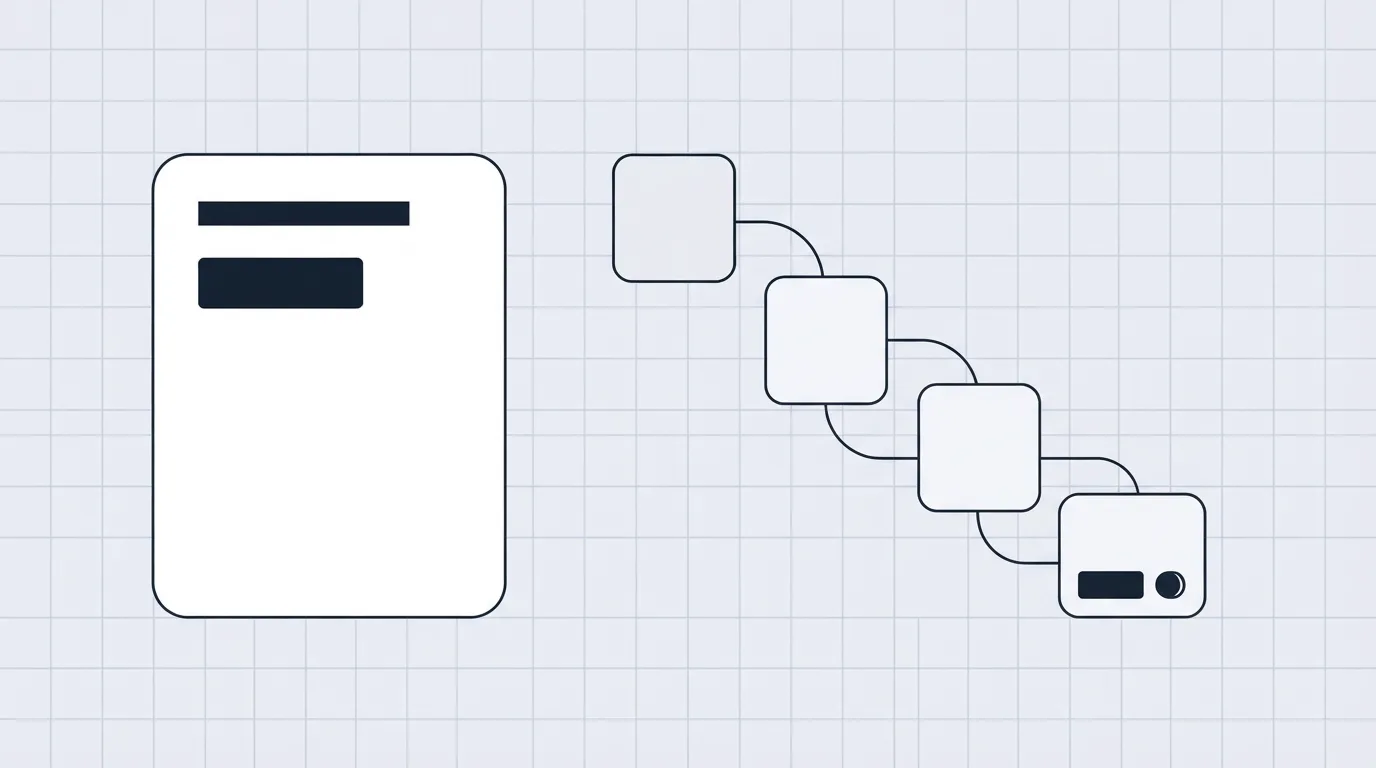
Funnel builder vs landing page builder
Written by Dana Rourke, Lead Reviewer, and reviewed by Campaign Buyer Editorial on 15 October 2026.
Quick answer
Ad spend is already running, and the shortlist is down to two kinds of software. Either the click lands on a page that matches it and can be tested, or the offer, the checkout and the follow-up email still live in separate logins.
Pick a funnel builder if you sell through a multi-step path and need checkout, upsells, email or delivery wired in one login; pick a landing page builder if you buy paid traffic and your bottleneck is message-matched pages and tests while checkout and follow-up already live in other tools.
Side by side
What it is. One side publishes campaign pages and stops there, while the other sells the sequence from the first visit through the purchase.
Core question. You either need to know whether the page matches the click and which version wins, or whether the offer, the payment and the follow-up share an account.
Scope. A single campaign page is the whole job on one side, and the steps from first contact through purchase are the job on the other.
Checkout and upsells. The page specialist sends people out through a button to some other URL, and the funnel bundle takes the payment itself.
Email and automation. Follow-up usually lives in a separate product beside a page tool, and it fires from the same account as the payment inside a funnel bundle.
Testing. A/B tests and headline swaps are the point of the page tool's testing plan, and inside a funnel bundle that test is one module among several.
Entry shape. Page tools open on a capped starter plan and move you to a higher plan for tests, while a funnel bundle's entry plan already includes checkout.
Enough on its own. A page tool is enough when the page is the leak and checkout already lives elsewhere, and a funnel bundle is enough when the path, the email and the payment should share an account.
The difference between a funnel and a landing page
A landing page is a standalone web page built for one campaign. Unbounce's explainer calls it a page created specifically for a marketing campaign, designed with a single focus or goal. The visitor arrives from an ad or an email, and the page asks for one action.
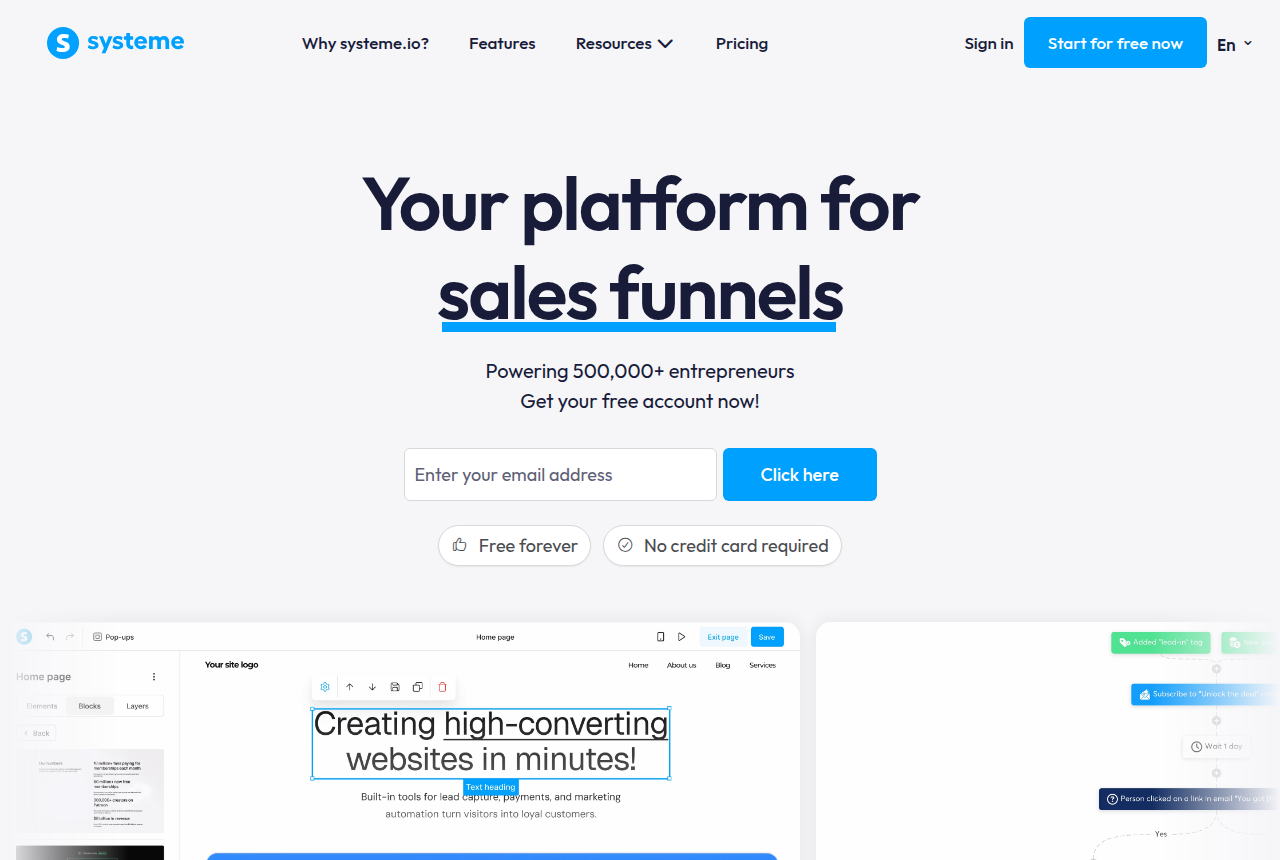
A sales funnel is the path that page can sit inside. Systeme.io defines it as a sequence of pages that guides a visitor from first contact to a purchase. Opt-in, sales page, checkout and thank-you are the usual steps. The landing page is one of those steps. It can also be the only public step, when the click's only job is a lead or a single offer and the rest of the work happens in email.
The software split follows that shape. A page specialist publishes and tests that single page. A funnel bundle wires the sequence to email and payment in the same account. Buying the bundle because you needed a page, or buying the page tool because you needed a checkout, is how this category gets expensive.
Landing page vs sales funnel
Landing page vs sales funnel is a buying decision. It comes down to which leak is wasting the campaign. If the click arrives and the page talks about a different offer, or you cannot tell which version of the page earned the opt-in, the page is the leak. If the page already converts and the buyer then meets a checkout, an upsell and a follow-up email that do not share a login, the path is the leak.
Name the leak before you name the vendor. Apply that test to the two kinds of product, and to the stack people build when they keep both.
What a landing page builder is hired to do
Unbounce markets itself as a landing page platform for marketers and agencies running campaigns. The job is the moment after the click: one offer, a form or a button, and a way to see which version of that page wins. Checkout, on a tool in this camp, is typically a button to an external URL. The cart you already trust stays put.
The trap is the plan name. Unbounce puts A/B tests and conversion work on its Experiment plan, and dynamic text replacement with them. Leadpages puts manual A/B testing and dynamic text replacement on Grow. The entry plan is a different product from the plan a media buyer actually runs. Unbounce vs Leadpages is the product-level version of that choice, and the landing page builder guide covers the hosted tools against the plugins that install on a site you already have.
What a funnel builder is hired to do
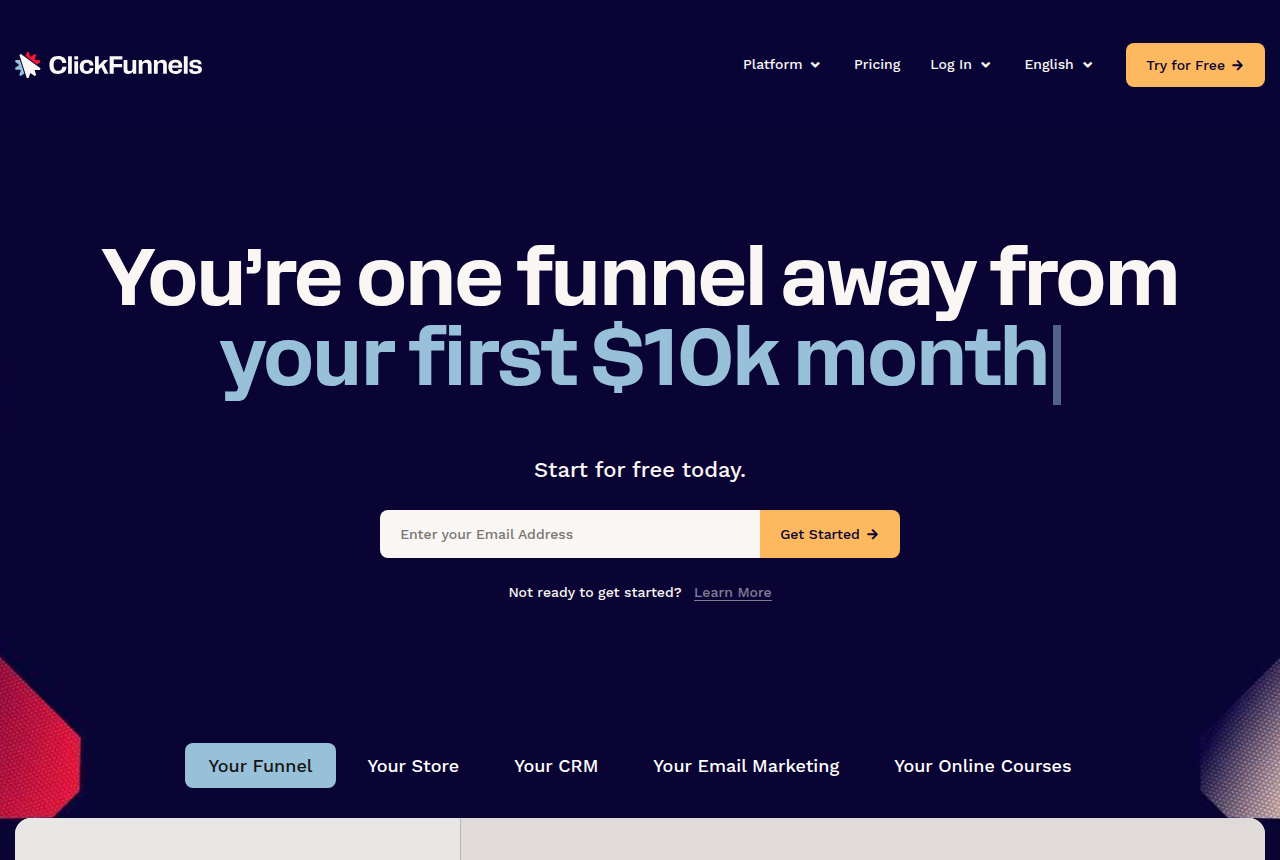
A funnel builder's job starts where the page tool stops. Systeme.io's builder is integrated with the email list, the course platform and the affiliate program, so the sequence and the follow-up share a dashboard. ClickFunnels treats that sequence as the model for the whole account: pages, Smart Checkout, email, a CRM, courses and a community. The published floor is the Launch plan.
The trade is depth. People who bought a suite that bundles pages, email and checkout say that suite lags a specialist in one module, which is the line that keeps showing up on r/growmybusiness. If the editor, the checkout or the email is the thing you touch every day, that is the module to compare against a single-purpose tool before you move the whole business. The ranked alternatives for leaving a bundle name the products people move to.
The third path: a page tool plus a separate checkout
You can refuse the bundle and still sell. On r/PPC, a buyer looking at a low-ticket offer called an Unbounce page plus a separate checkout perfectly workable. The page specialist keeps message match and the tests. A cart takes the payment, the bump and the upsell.
The cost of that split is the report. The ad platform, the page tool and the cart each keep their own numbers, and someone has to line the three up before a winning angle is obvious. Unbounce vs SamCart is the head-to-head for that pairing.
ElasticFunnels when the test and the checkout share a record
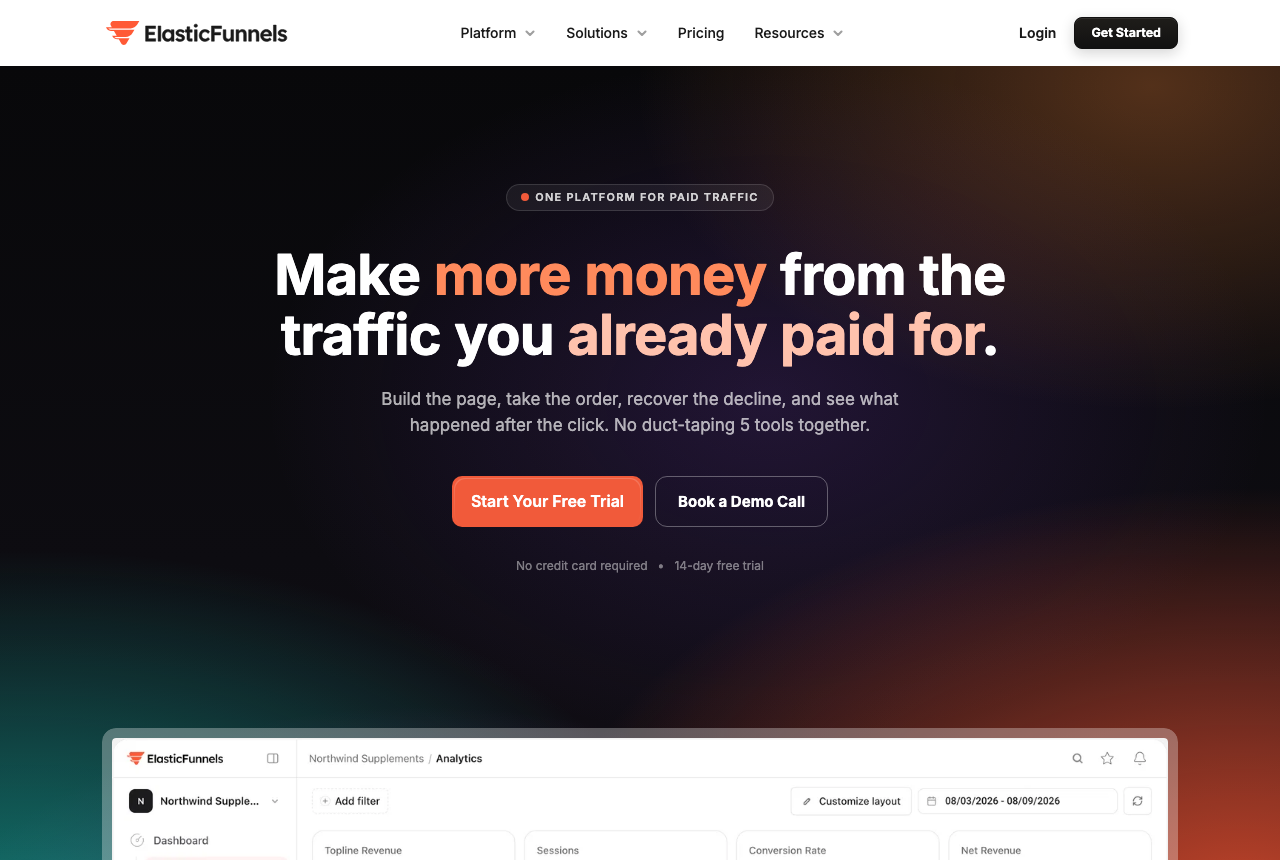
ElasticFunnels is a funnel platform for teams running paid traffic. Pages, same-URL split testing, checkout, CRM and attribution sit on one data layer. An AI builder drafts a page from a prompt or clones one from a URL. The part that matches this fork is the test: variants rotate on the server under the single link in the ad, so Meta, Google and TikTok keep their learning, and starting or ending a test does not send the ad back through review. Same-URL split testing is that mechanism on its own. It is one part of the platform. Checkout, the customer record and the CRM are the rest.
The checkout runs order bumps, one-click upsells and subscriptions. It charges through Stripe, NMI, PayPal, Klarna or Authorize.net, and it can send the buyer on to ClickBank, JVZoo, BuyGoods, Digistore24, Shopify Checkout, Shop Pay or Cartpanda. Multi-MID routing is a weighted split of each first sale across NMI merchant accounts you already hold, filtered by card brand, product, amount and a daily cap. Upsells and rebills stay on the account that took the first sale. Stripe, PayPal, Klarna and Authorize.net each stay on the single account you connect. A team with one Stripe account still has the pages, the tests, the checkout and the CRM.
A click, an order, a rebill and a refund from a funnel it hosts sit on one timeline, with automations and a call center on that same data. That is the contrast with the page-plus-cart stack, where those events live in separate exports. ClickFunnels is the bundle buyers weigh against it when they want pages, checkout, email and courses in a long-running account. ElasticFunnels vs ClickFunnels is that comparison. Unbounce stays the page specialist when the only gap is the ad page.
ElasticFunnels is newer than the platforms it competes with, and there is very little independent third-party review coverage to check its claims against. Until you run real volume through it, you are largely taking the vendor's word for how the tests and the reporting hold up. The company has been building it since 2023, which is why outside write-ups are still scarce. Pages, funnels and a custom domain can be set up on the 14-day free trial, with no credit card required.
When a store and ordinary email are already the path
Some businesses never had this fork. On r/CRMSoftware, the practical answer is that a storefront plus basic email follow-up may already be a complete selling path for a small business. If orders already close that way, a funnel subscription adds a second system on top of a shop that is doing the job.
My take
I would judge the leak before the logo. If the ad and the page disagree, or you cannot crown a winning page without changing the link in the ad, I would start with a page builder and leave checkout where it is. If the page converts and the payment, the bump and the follow-up email are split across logins, I would start with a funnel bundle.
ClickFunnels vs Leadpages is that same fork with two product names on it. I would look at ElasticFunnels when I need the page, the same-URL test and the checkout in one place. A buyer who only needs that page has a shorter shopping list in the page tools.
What you keep and what you give up
A page specialist
- The ad page ships without taking on an email platform or a cart.
- Headline swaps and version tests sit next to the page they measure.
- You can replace the page tool later without migrating a customer list.
The limit is the button. The page tool never sees the bump, the failed rebill or the refund, because those happen after the visitor leaves.
A funnel bundle
- Opt-in, offer, payment and thank-you are steps you edit in one place.
- Follow-up email can go out from the account that just took the payment.
- Courses or a community can live beside the checkout when you actually use them.
Budget for a weaker editor, a thinner checkout or simpler email than the single-purpose tool you would have bought for that one job. That is the weak-spot trade from the thread above, applied to the module you touch most.
What the plans cost
Unbounce's pricing page lists Starter with five pages and traffic up to 500 visitors. Experiment, the plan for A/B tests, is $149 a month and includes unlimited A/B testing. Leadpages lists Grow at $99 a month with unlimited traffic. ClickFunnels Launch and the ElasticFunnels Starter plan are each $97 a month. ElasticFunnels Growth is $197 and Scale is $497. Every ElasticFunnels feature is on every plan. The tiers differ by page views, brands, domains, seats and automation runs.
Extra ElasticFunnels page views bill at $1.20, $1.00 or $0.80 per 1,000, depending on the plan. Crossing a limit bills the overage. The account stays on the same plan. Revenue processed through its hosted gateways carries a 0.5% fee. Sales sent to an external checkout or a network are not charged that fee.
The Unbounce and SamCart pairing, on the useful tiers in that head-to-head, comes to about $348 a month before email. You are paying two specialists. You are also paying someone to reconcile three reports.
Tools that do each job
Named products on each side of this fork, each linked to its review.
Landing page builders
Campaign pages, forms and tests. The sale is a button out to a cart you already run.
-
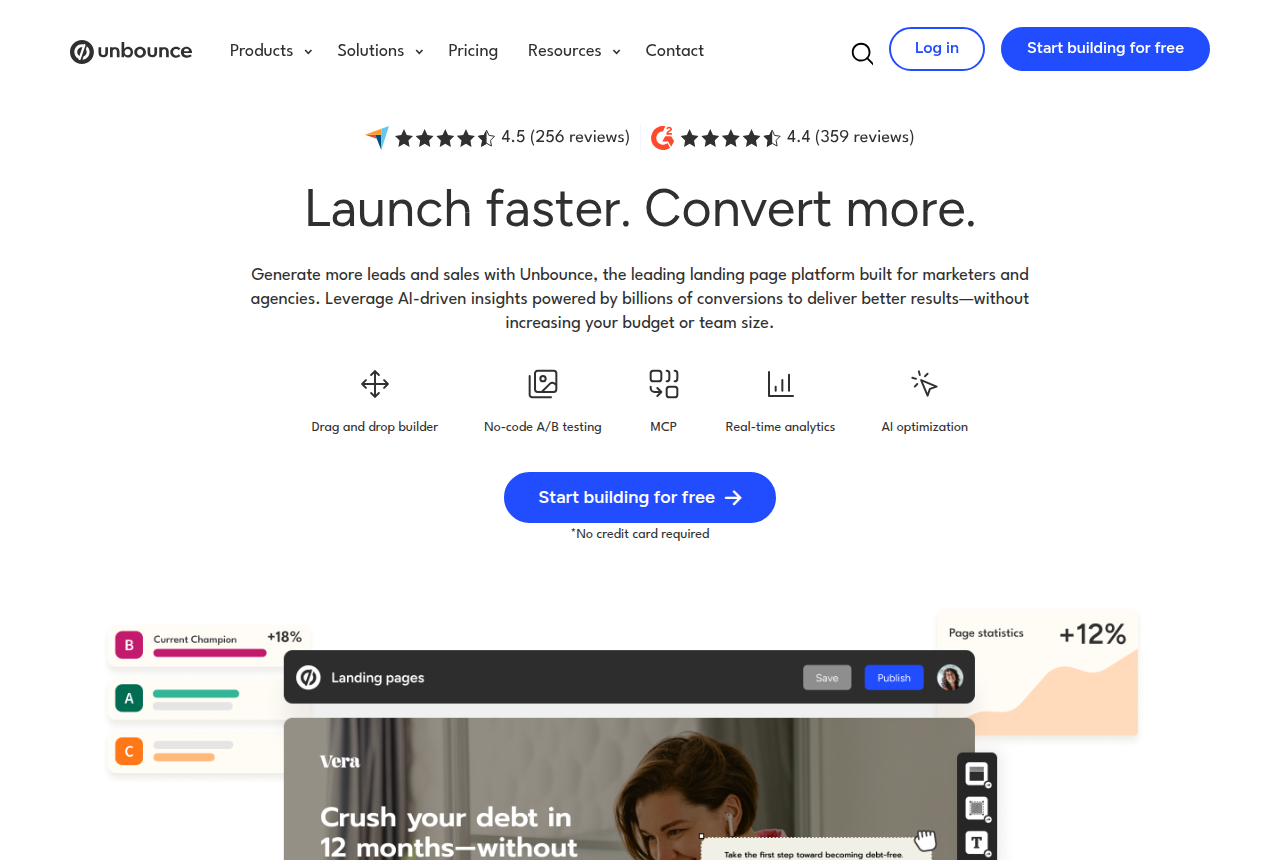
Unbounce review
Best for Paid-media teams that need hosted landing pages, popups, and A/B tests without developers.
-
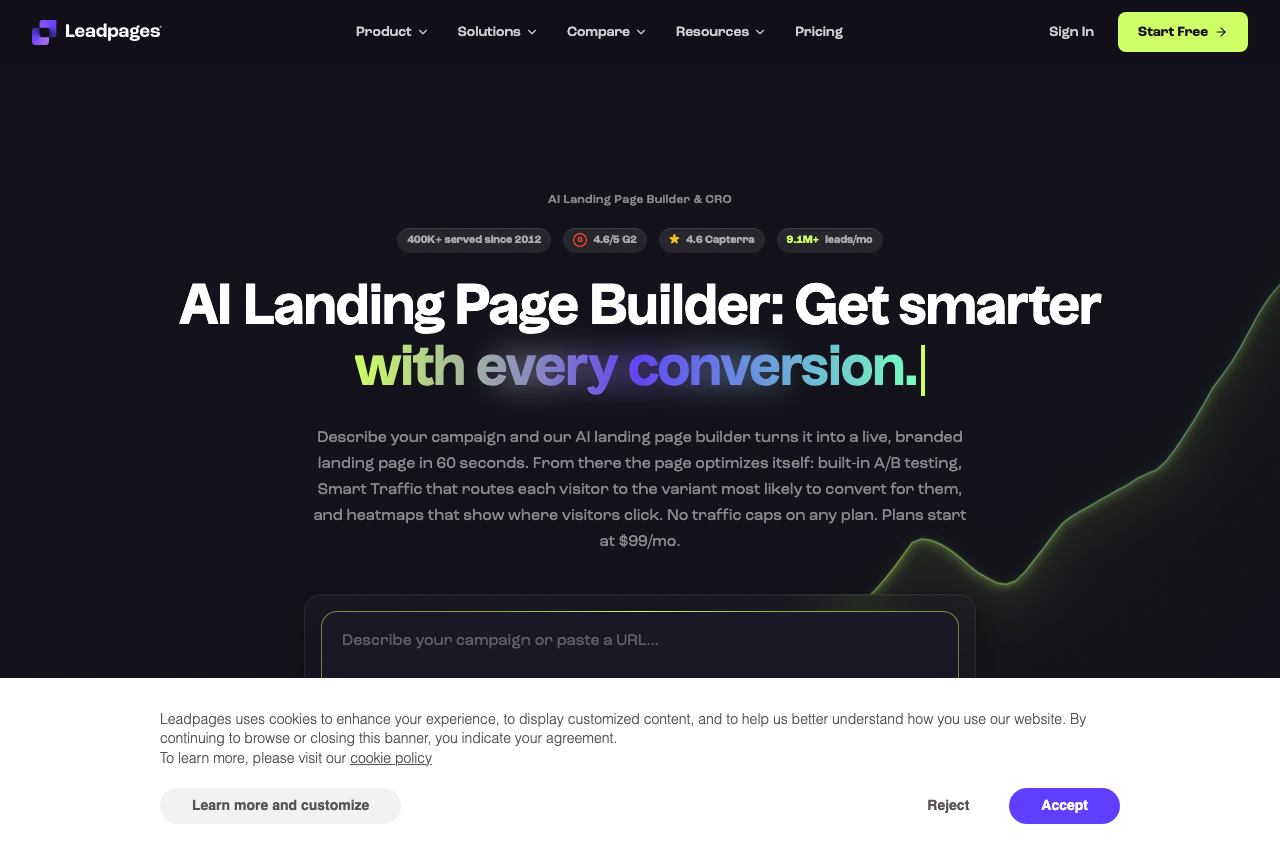
Leadpages review
Best for lead-gen and budget buyers who want predictable, uncapped pricing.
-
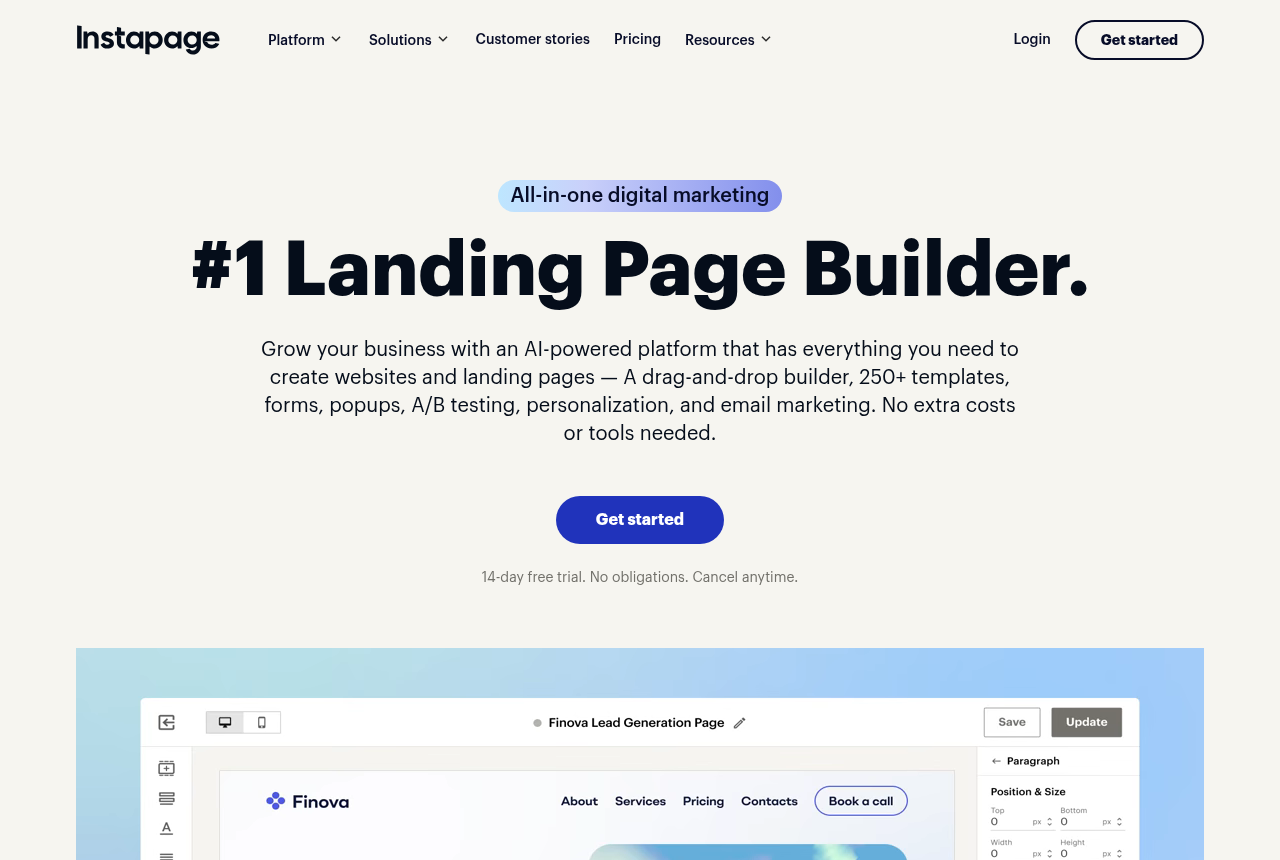
Instapage review
Best for agencies and enterprise teams that need collaboration and personalization.
Funnel builders
A page sequence with email and payment in the same account.
-
ClickFunnels review
Best for creators, coaches and info-product sellers who want a whole funnel live fast without stitching tools together.
-
Systeme.io review
Best for Sellers who want funnels, checkout, order bumps, and one-click upsells in one tool..
Page, test and checkout on one record
A funnel platform that keeps the ad page, the same-URL test and the order on one timeline.
-
ElasticFunnels review
Best for running the pages, split testing, checkout and reporting as one funnel platform instead of four separate tools.
Frequently asked questions
What is the difference between a funnel and a landing page?
Landing page vs sales funnel: which software do I buy?
When is neither subscription the next buy?
Can ElasticFunnels cover both jobs?
What we read
Other sources
13 discussions and reviews read for this page. Quotes are excerpts; open a link to read the original in context.
- [u1] Unbounce: what is a landing page
- [u2] Unbounce: what is a landing page
- [u3] Unbounce homepage
- [u4] Unbounce pricing
- [u5] Unbounce pricing
- [s1] Systeme.io: sales funnels
- [s2] Systeme.io: sales funnels
- [c1] ClickFunnels homepage
- [c2] ClickFunnels pricing
- [l1] Leadpages
- [r1] r/PPC: Unbounce with a separate checkout for a low-ticket offer
- [r2] r/growmybusiness: bundled marketing suites
- [r3] r/CRMSoftware: do I need a sales funnel?
See the funnel builder alternatives

Written by
Dana Rourke
Lead Reviewer
Dana Rourke is the lead reviewer at Campaign Buyer. She covers trackers and attribution on this site: she reads what long-term users report about each tool, checks its documentation and pricing, and verifies prices with the vendor before writing the verdict. Keeping the rankings honest mostly means writing down what the top pick gets wrong, so she does that first.
Last checked 2026-10-15
Comments
No comments yet. Questions and your own experience are welcome.
Thank you. Your comment will appear once it has been reviewed.