Gumroad is real, and it has been since 2011. For getting a first digital product online it is the fastest, cheapest way to start: no monthly fee, and it handles sales tax worldwide for you as merchant of record. Buy it if you are launching an ebook, template or course and want to be selling today. Think hard before you scale on it, because the flat 10% fee gets expensive with volume, and withheld payouts and sudden account suspensions are the recurring complaint against it.
You have probably seen a Gumroad link in a newsletter, under a video, or in a creator's bio, and now you are considering it for your own ebook, template or course. The question behind every "Gumroad review" search is a simple one: is this a real, safe place to sell, or will you regret it in three months? The short answer is that Gumroad is real, it is old, and for a first digital product it is the easiest way to start. The regret, when it comes, is almost never about the software. It is about the fee at scale, and about getting paid.
Gumroad has been running since 2011, which makes it one of the original creator-commerce platforms. The company says creators earn more than two million dollars through it in a typical week, its code is now open source on GitHub, and millions of people have bought something through a Gumroad checkout. This is not a tool that vanishes next quarter. So the useful review is not "is it legit", because it is. It is "who is it right for, and what are the two things that make people leave".
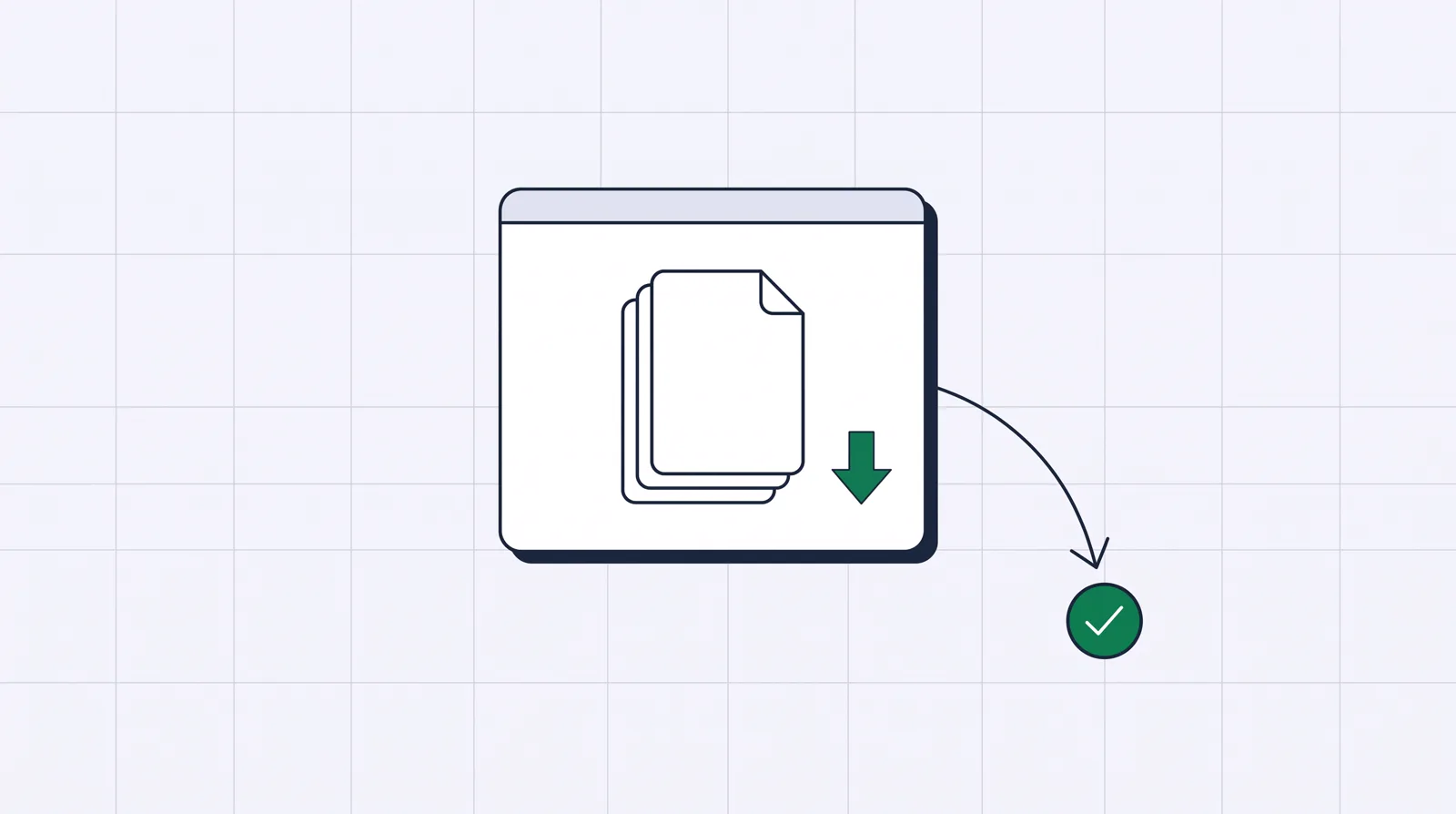
Gumroad's whole pitch: upload a file, set a price, share a link, get paid. The simplicity is the product.
Is Gumroad legit?
Yes. Founded in 2011 by Sahil Lavingia, Gumroad is one of the longest-running platforms in this space, and it has settled into a clear identity: the simplest way for an independent creator to sell a digital product. Its pricing is public, its terms are public, its catalogue of products is browsable, and since 2024 its source code is open on GitHub. Whatever its flaws, hiding what it is is not one of them.
On the numbers people trust, it is a mixed but explainable picture. Business-software reviewers on G2 rate it 4.2 out of 5, praising how little friction there is in listing a product and taking a payment. On Trustpilot, where unhappy sellers tend to end up, it scores 1.4 out of 5 across several hundred reviews. That gap is the whole story of Gumroad in one line: the software is genuinely pleasant to use, and the operational relationship, meaning payouts, support and account decisions, is where the frustration lives. We come back to that below, because for a trust question it matters more than any feature.
What Gumroad actually is, and is not
Gumroad is a hosted store for digital products. Ebooks, templates, Notion setups, design assets, brushes, music, courses, memberships and software licences all sell through it. It does not handle physical goods. The core loop is deliberately tiny: upload a file, set a price, and share a link or a storefront page. Reviewers repeatedly call it the most beginner-friendly platform in the category, with one describing it as "one of the easiest and most beginner-friendly selling platforms online".
Around that core it does more than a bare download link. You can run memberships and subscriptions, let buyers pay what they want, sell in several currencies, generate software licence keys, offer multiple file versions, add lightweight DRM, send email broadcasts, run an affiliate programme and discounts, and read basic sales analytics. You can host on a Gumroad profile, point a custom domain at it, or embed the checkout on a site you already run.
What it is not is a conversion machine. There is no deep funnel builder, no elaborate one-click upsell and order-bump system like SamCart, and no built-in CRM or multi-step funnel. If your business turns on squeezing the most out of each checkout, or on nurturing leads through email sequences, Gumroad will feel thin, and a dedicated cart such as SamCart or ThriveCart is a better home for that money. Gumroad's bet is that most creators do not need any of it to make their first, or their first few thousand, dollars.
The fee model, and where it bites
Gumroad has no monthly fee. You pay 10% plus 50 cents on each sale through your own profile or links, and 30% on sales that Gumroad's own Discover marketplace sends you. That is the entire pricing page. Since 1 January 2025 Gumroad also acts as merchant of record, which means it is the legal seller on the receipt: it collects and remits sales tax and VAT worldwide, so a solo creator never files a tax form for a sale in another country.
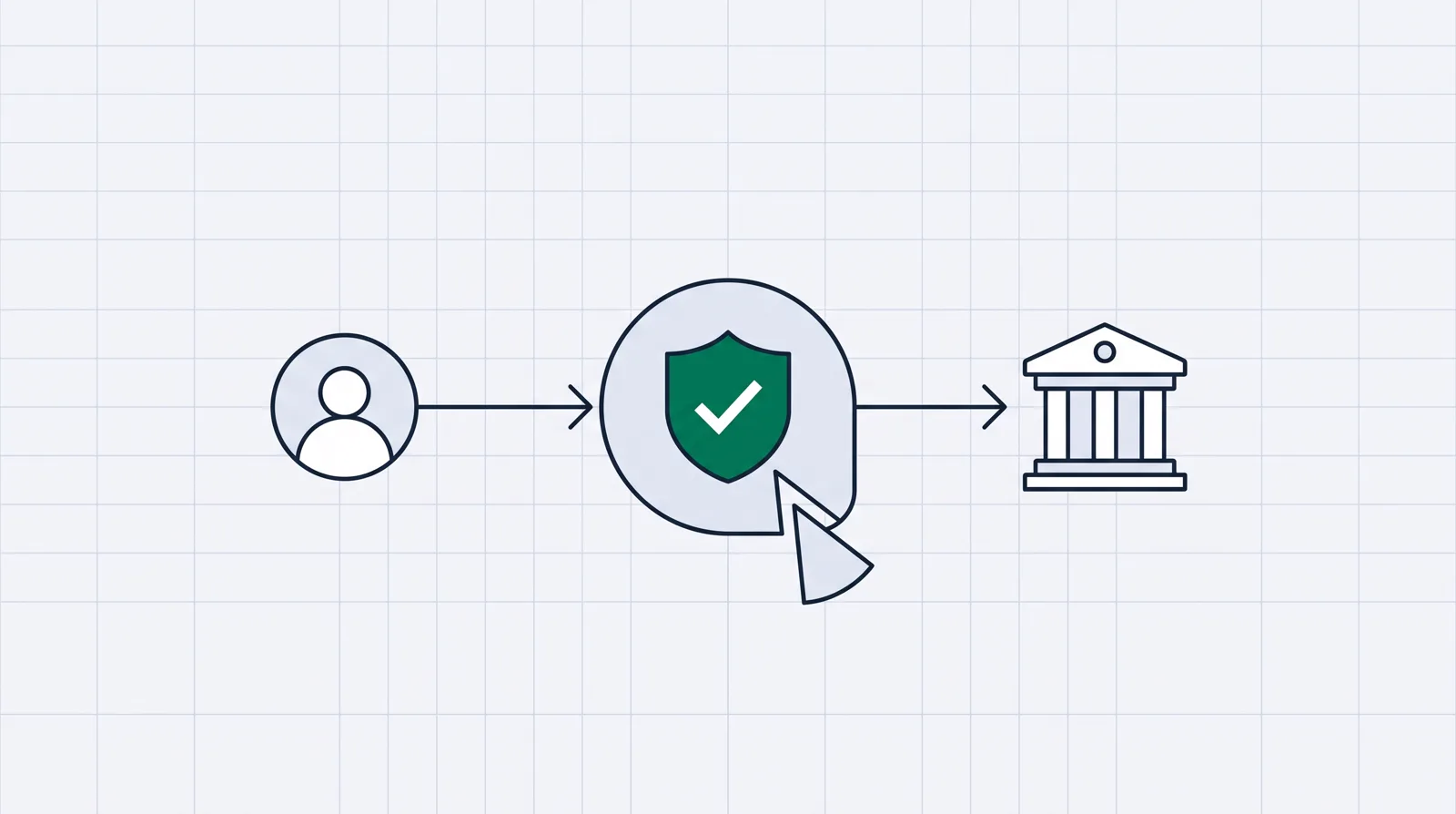
As merchant of record, Gumroad sits between the buyer and your bank: it takes the payment, handles sales tax and VAT, keeps its cut, and pays you out.
For a beginner, that model is close to ideal. You risk nothing to list a product, you pay only when money comes in, and the scariest part of selling internationally, the tax, is handled for you. The catch is what happens as you grow. Ten percent is a lot once the volume is real. One creator who left for a cheaper platform put it plainly: at five thousand dollars a month in sales, "you are handing them $500" every month. A flat-monthly cart like SamCart charges a fixed subscription and takes 0% of each sale, and a one-time tool like ThriveCart charges once. Somewhere north of a few thousand dollars a month, the percentage model quietly becomes the expensive option.
For our own readers, media buyers running paid traffic, that maths is even less forgiving. A 10% platform cut comes straight off margins that are already thin after ad spend, so Gumroad is rarely the right checkout for cold-traffic direct response. It is built for a warm audience, an existing following and organic discovery, not for scaling a paid funnel. The full fee breakdown is on our Gumroad pricing page.
The real regret risk: getting paid
If people regret Gumroad, this is usually why. Two issues come up again and again, and both are about money leaving the platform rather than about the platform itself.
The first is PayPal. In October 2024, PayPal ended its service with Gumroad with no advance warning, which one report called "a major blow to creators and sales". A creator wrote at the time that "Gumroad no longer supports PayPal for any transaction. There is no way for creators to re-add PayPal support. I know this is a huge blow to many people, especially those outside the USA." Gumroad's own reply was that "PayPal removed it themselves" and that it had not seen a drop in creator earnings, since most buyers now pay by card. Both things can be true: earnings held up in aggregate, and sellers in countries without direct bank transfer, or with buyers who only use PayPal, were genuinely stranded.
The second is account holds. Gumroad's Trustpilot score sits at 1.4 out of 5, and the Better Business Bureau lists it with an F rating, and the complaints cluster tightly: payouts withheld without a clear explanation, and accounts suspended suddenly, sometimes by automated moderation, with support slow or silent afterward. Most sellers never hit any of this, and the G2 rating shows how many are content. But for a trust question the tail risk is the point. If a stuck payout or a wrongful suspension would sink your month, treat Gumroad as one channel rather than your only store, export your customer list regularly (Gumroad does let you), and do not let a large balance sit unpaid.
Who should buy Gumroad, and who should skip it
Buy Gumroad if you are launching your first digital product and want to be selling within the hour, if your volume is low to moderate, and if you value paying nothing until you sell and never touching international tax. For a writer, an artist, or a creator with an audience, it is still one of the best on-ramps there is, and the no-monthly-fee model means it costs nothing to find out whether an idea sells.
Skip it, or plan to outgrow it, if you sell at real volume, where the flat 10% costs more than a fixed subscription; if you need deep checkout optimisation and funnels, where SamCart or ThriveCart do more; if you sell software as a business and want the merchant-of-record burden handled at a lower rate, where Paddle is built for exactly that; or if you run paid traffic, where the percentage cut is hard to justify. If Gumroad is close but not quite right, start with our Gumroad alternatives.
Pros and cons
What works
The fastest, simplest way to start selling a digital product. Upload a file, set a price, share a link. There is no monthly fee, so you pay nothing until you make a sale, and G2 reviewers rate it 4.2 out of 5 largely for that ease.
Merchant of record since January 2025: Gumroad is the legal seller on the receipt, so it collects and remits sales tax and VAT worldwide and a solo creator never files a tax form for a foreign sale.
Sells more than downloads. Memberships, subscriptions, courses, pay-what-you-want pricing, software licence keys and multiple file versions all run from one account.
Established and durable. Running since 2011, with millions of dollars in creator earnings every week and its code now open source, so it is not a launch-week gamble.
Works on your own site too. Point a custom domain at your store or embed the checkout on a site you already run, with email broadcasts, an affiliate programme and discounts included.
What to watch
The flat 10% + $0.50 fee is cheap on a first sale and expensive at scale. At $5,000 a month in sales that is $500 to Gumroad every month, where a flat-monthly cart charges a fixed fee and takes 0% per transaction. Past a few thousand a month, the percentage model quietly becomes the costly one.
For paid traffic it is rarely the right checkout. A 10% cut comes straight off ad margins that are already thin, so cold-traffic direct response belongs on a fixed-cost cart, not here. Gumroad is built for warm audiences and organic discovery.
Getting paid is the loudest complaint. Trustpilot rates it 1.4 out of 5 across several hundred reviews and the BBB gives it an F, driven by withheld payouts and sudden suspensions. The G2 score of 4.2 shows the software itself is well-liked, so the anger is about payouts and support, not the editor.
PayPal ended service with Gumroad in October 2024 with no warning, so most sales are card-only now. That stranded some international buyers and sellers in regions without direct bank transfer.
It is a simple store, not a conversion machine. There are no deep one-click upsell and order-bump funnels like SamCart, and no built-in CRM or multi-step funnel.
Support is thin. Complaint records describe slow or silent responses, which is the real problem on the day a payout is stuck.
What buyers keep saying
Research: unverified
Fast, cheap and simple to start↑ frequently praised
The consistent praise is how quickly a first-time seller can list a product and get paid. Reviewers call it one of the most beginner-friendly platforms, and the no-monthly-fee model means you pay nothing until you make a sale.
“Gumroad makes it so easy to sell any digital product”
The flat 10% fee bites at volume↓ common complaint
The recurring complaint is the flat 10% + $0.50 fee. It is painless on a first sale but expensive once monthly revenue climbs, and it drives higher-volume sellers to cheaper platforms.
PayPal ended service with Gumroad in October 2024 with no warning, hurting international buyers and sellers in regions without direct bank transfer. Gumroad says it saw no drop in earnings, but the episode is part of why some creators question how much control they have over how they get paid.
“Gumroad no longer supports PayPal for any transaction. There is no way for creators to re-add PayPal support. I know this is a huge blow to many people, especially those outside the USA.”
“Gumroad no longer supports PayPal for any transaction. There is no way for creators to re-add PayPal support. I know this is a huge blow to many people, especially those outside the USA.”
Gumroad charges no monthly subscription. You pay a percentage of each sale instead, on the terms below.
No monthly fee. Gumroad takes 10% + $0.50 per transaction on direct sales through your profile or links, and 30% on sales it sources through its Discover marketplace. As merchant of record since January 1, 2025, it collects and remits sales tax and VAT worldwide.
Pricing verified against the vendor on 2026-09-27. Prices go stale. Check the vendor before you buy.
28 September 2026. First published. Verified pricing and features against the vendor and ranked Gumroad in its category.
Frequently asked questions
How much does Gumroad cost?
No monthly fee. Gumroad takes 10% + $0.50 per transaction on direct sales through your profile or links, and 30% on sales it sources through its Discover marketplace. As merchant of record since January 1, 2025, it collects and remits sales tax and VAT worldwide.
Who is Gumroad best for?
Gumroad is real, and it has been since 2011. For getting a first digital product online it is the fastest, cheapest way to start: no monthly fee, and it handles sales tax worldwide for you as merchant of record. Buy it if you are launching an ebook, template or course and want to be selling today. Think hard before you scale on it, because the flat 10% fee gets expensive with volume, and withheld payouts and sudden account suspensions are the recurring complaint against it.
Sources
Other sources
7 discussions and reviews read for this page. Quotes are excerpts; open a link to read the original in context.
Dana Rourke is the lead reviewer at Campaign Buyer. She owns the tracker and attribution coverage: reading what long-term users report about each tool, checking its documentation and pricing, and verifying prices with the vendor before writing the verdict. Keeping the rankings honest mostly means writing down what the top pick gets wrong, so she does that first.